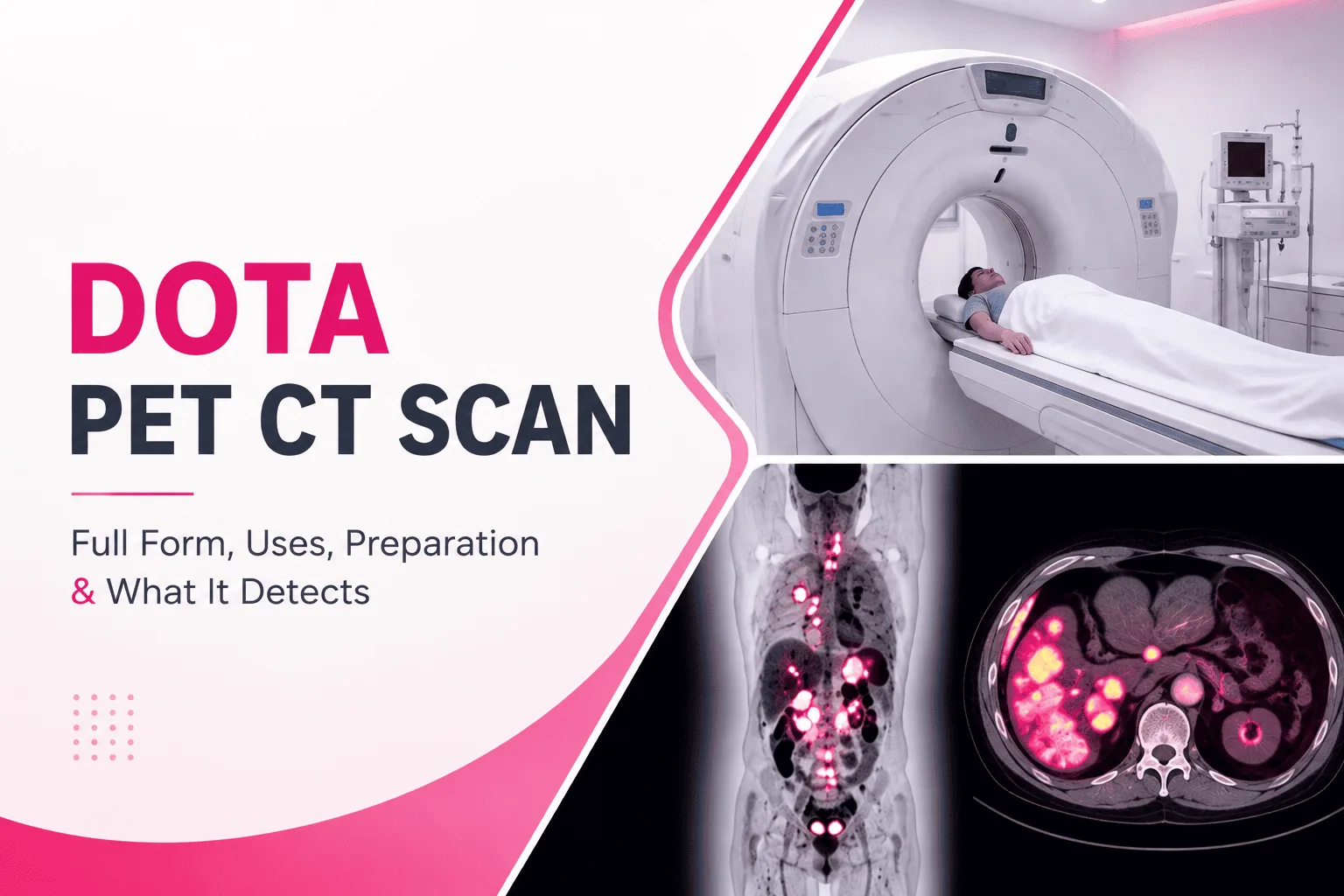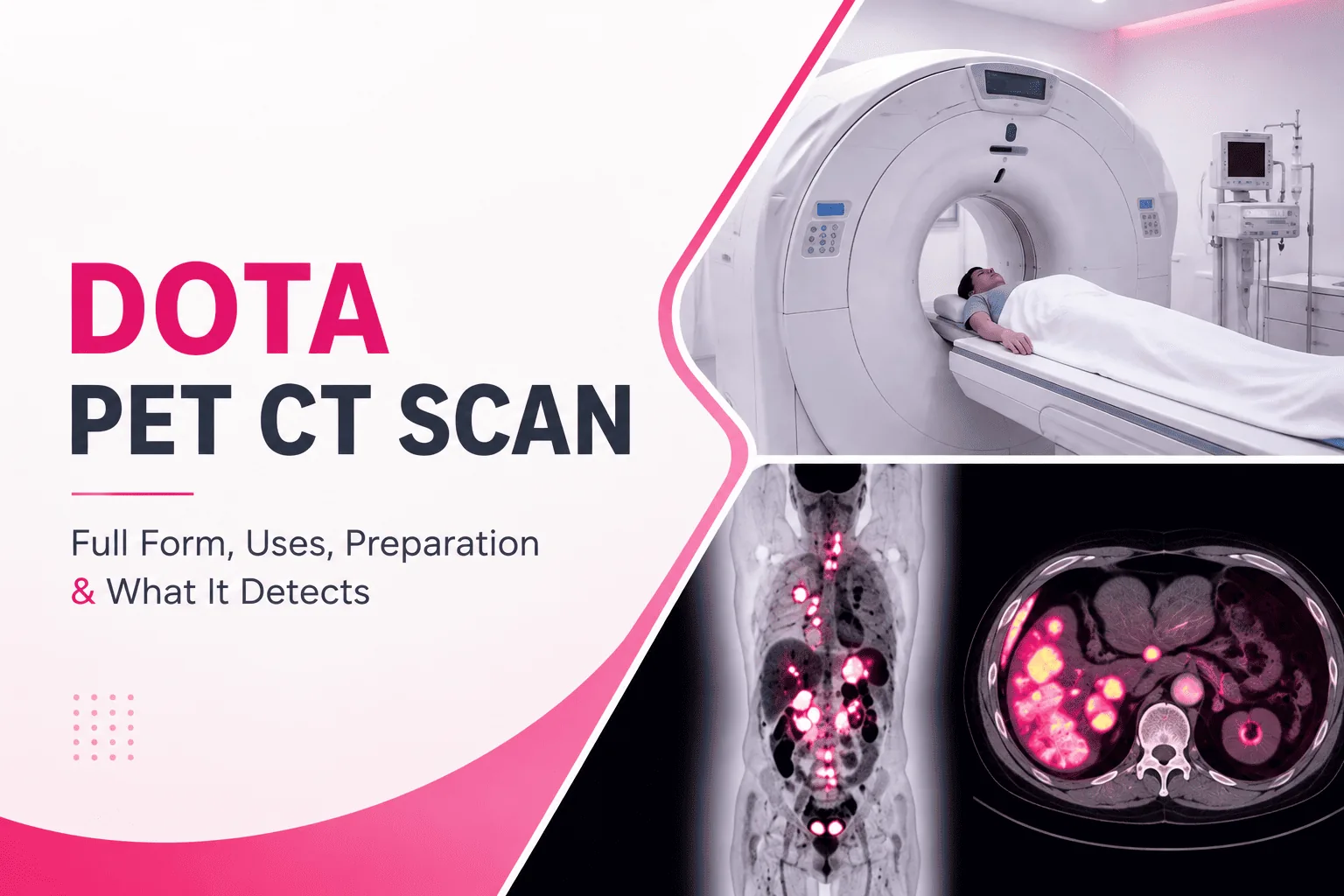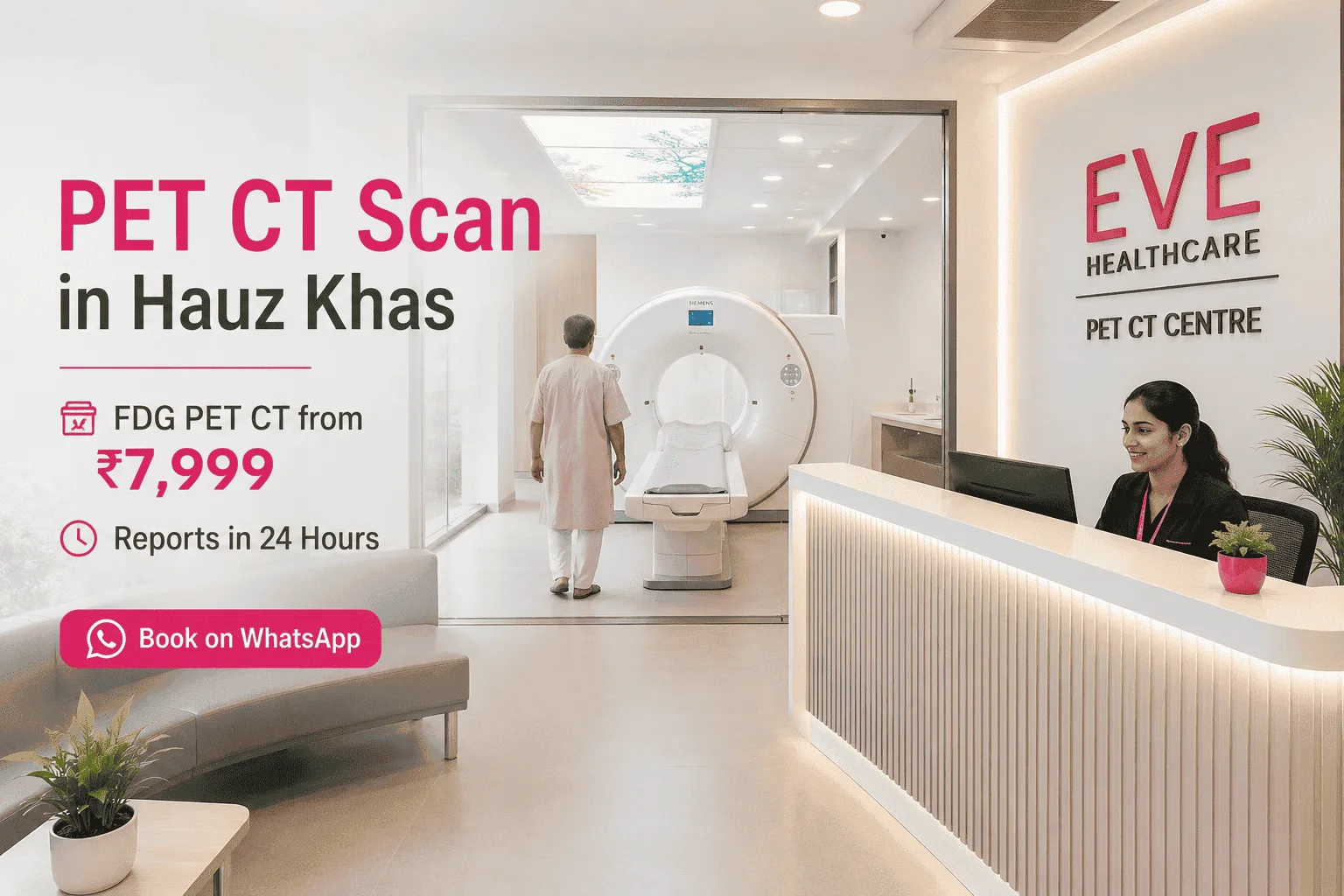

If your oncologist has referred you for a whole body PET CT scan — this page gives you everything you need before your appointment: what the scan is, what it shows, exactly what to eat and not eat in the 24 hours before, what happens during the scan, and what it costs in Delhi.
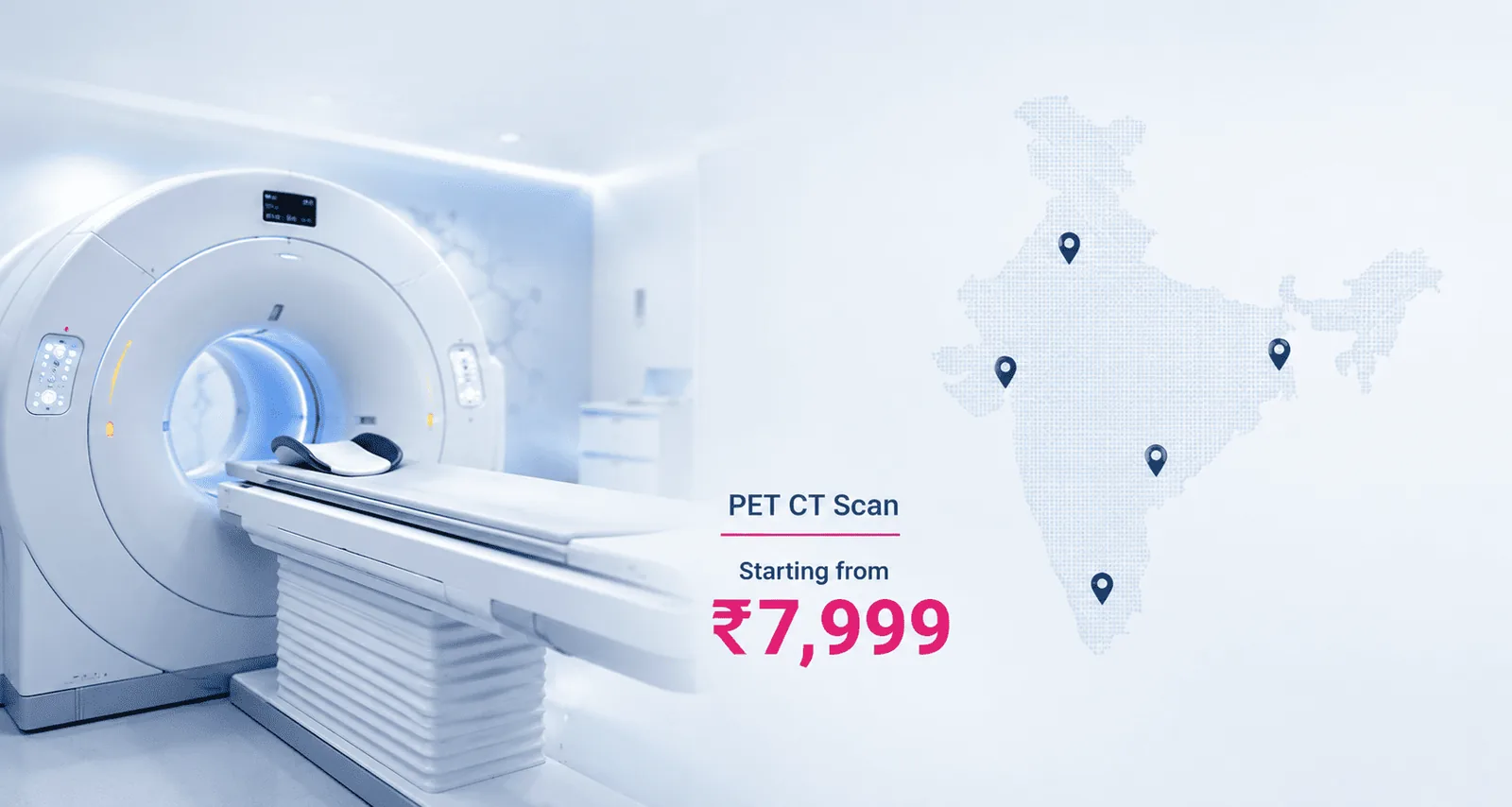
Whole body PET CT scan cost in Delhi ranges from ₹8,000 to ₹14,000 at AERB-licensed nuclear medicine centres — significantly less than the ₹18,000–₹25,000 charged at private hospitals for the same scan on equivalent machines.
Quick Answers — Whole Body PET CT Delhi 2026
FDG Whole Body PET CT — nuclear medicine centre: ₹8,000 – ₹14,000 FDG Whole Body PET CT — private hospital: ₹18,000 – ₹25,000 CGHS rate (NABH-accredited): ₹9,500 (approx.) Fasting required: Yes — minimum 6 hours, low-carbohydrate diet for 24 hours before Blood sugar check: Yes — done at the centre before injection Duration: 15 minutes injection, 45–60 minutes rest, 20–30 minutes scan Total time at centre: 2–2.5 hours minimum Same-week availability: Yes — across Delhi NCR through EVE Healthcare Diabetic patients: Special protocol — confirm at booking
What Is a Whole Body PET CT Scan?
A whole body PET CT (Positron Emission Tomography — Computed Tomography) combines two technologies in a single investigation:
PET (Positron Emission Tomography): A radioactive tracer — in this case FDG (Fluorodeoxyglucose, a glucose analogue) — is injected into the bloodstream. Cancer cells and other rapidly dividing cells consume more glucose than normal tissue. The FDG tracer is taken up more intensely by these cells and emits positrons that the scanner detects — creating a map of metabolic activity throughout the body.
CT (Computed Tomography): Simultaneously, a CT scan provides the anatomical framework — the precise location, size, and structural detail of each area of abnormal uptake.
Together, PET and CT answer two questions at once: where is there abnormal activity (PET) and exactly what is the anatomy of that area (CT).
FDG PET CT plays a crucial role in the initial diagnosis, staging, restaging, treatment planning, and recurrence surveillance of various types of cancer.
What "whole body" actually means: Despite the name, FDG PET CT whole body imaging in clinical practice usually covers the body area from the base of the skull to the proximal thigh — not the brain or lower legs in most standard protocols. For cancers with a high probability of brain or lower limb involvement, the protocol may be extended. Your nuclear medicine physician will specify the scan range appropriate for your diagnosis.
What Whole Body PET CT Is Used For
FDG PET CT is a staging, restaging, and treatment monitoring tool — not a cancer screening tool for healthy people.
The specific clinical uses:
|
Clinical Situation |
How PET CT Helps |
|
Initial cancer staging — before treatment |
Maps the full extent of disease — primary tumour + lymph node involvement + distant metastases |
|
Restaging — after treatment |
Shows whether treatment has worked, whether disease has responded or progressed |
|
Treatment monitoring — mid-chemotherapy |
Early assessment of metabolic response — often shows tumour response before tumour size changes |
|
Suspected recurrence — after remission |
Detects recurrent disease when CT or MRI is equivocal |
|
Radiation therapy planning |
Identifies metabolically active tumour tissue for accurate radiation targeting |
|
Unknown primary tumour |
Helps identify the primary site when a metastasis has been found but the origin is unclear |
Cancers where FDG PET CT is most commonly used in India: Lymphoma, lung cancer, head and neck cancers, colorectal cancer, cervical cancer, oesophageal cancer, thyroid cancer (FDG-avid types), and melanoma.
Where FDG PET CT has limitations: Prostate cancer (low FDG avidity — PSMA PET CT is preferred), renal cell carcinoma, hepatocellular carcinoma, neuroendocrine tumours (DOTANOC or DOTATATE PET CT preferred), and brain tumours (brain has high baseline glucose uptake masking tumour signal).
The Tracer Question — Confirm FDG Before Booking
There are seven different PET CT tracer types available at EVE partner centres. Each serves a completely different clinical indication:
|
Tracer |
Primary Use |
|
FDG (Fluorodeoxyglucose) |
Whole body cancer staging — lymphoma, lung, colorectal, head & neck |
|
PSMA |
Prostate cancer — diagnosis, staging, recurrence |
|
DOTANOC / DOTATATE |
Neuroendocrine tumours (NETs) — carcinoid, pheochromocytoma |
|
DOPA |
Parkinson's disease, dopamine-secreting tumours |
|
F-Choline |
Prostate cancer (alternative to PSMA) |
|
Cardiac (Rubidium/Ammonia) |
Myocardial perfusion, cardiac viability |
The booking instruction: When your oncologist's prescription says "whole body PET CT" or "FDG PET CT" — confirm "FDG whole body" when booking through EVE Healthcare. If your prescription says "PET CT" without specifying the tracer — share the prescription with our team via WhatsApp and we confirm the correct tracer with you before the appointment is confirmed.
Booking the wrong tracer type means the scan cannot answer your oncologist's clinical question. This is a preventable error.
The Most Critical Section — Preparation for FDG Whole Body PET CT
This is the section that determines whether your scan produces a diagnostic result or requires a repeat appointment.

The FDG tracer is a glucose analogue. It competes directly with blood glucose for uptake by cells. If your blood glucose is elevated at the time of injection — from food, drinks, or uncontrolled diabetes — the FDG tracer is outcompeted by glucose in the bloodstream. The result is a scan with reduced sensitivity — metabolically active tumour tissue may appear less intense, potentially missing lesions.
The preparation rules — no exceptions:
24 hours before your scan:
- Follow a low-carbohydrate, high-protein, high-fat diet
- Avoid: rice, roti, bread, pasta, cereals, fruit, fruit juice, sweets, chocolate, biscuits, sugar in tea or coffee
- Acceptable: meat, fish, chicken, eggs, paneer, cheese, butter, ghee, green leafy vegetables, nuts
- No strenuous exercise — muscle activity increases FDG uptake in muscles, creating artefact
6 hours before your scan (the minimum fasting window): Complete fasting is required for a minimum of 6 hours before the scan. During this time only plain water is permitted — absolutely no sugar or carbohydrate intake of any kind, including gum, candy, or breath mints.
On the day of the scan:
- Drink water freely — good hydration helps flush unbound FDG through the kidneys
- No tea, coffee, juice, milk, or any beverage except plain water
- Continue all medications with a small sip of plain water — unless your nuclear medicine physician has specifically told you to hold any
- Wear comfortable, warm clothing — patients are asked to remain warm before and during the uptake phase to minimise FDG accumulation in brown adipose tissue
- Avoid bright lights, loud environments, and talking during the uptake phase if you have a head and neck cancer scan — muscle FDG uptake in the jaw and neck can obscure findings
The preparation failure pattern EVE most commonly sees: A patient who was told "low carb diet" and ate salad with dressing, a piece of fruit "just this once," or "sugarless" tea the morning of the scan. Sugar-free beverages are specifically not recommended because even sugarless coffee and tea may contain traces of simple carbohydrates and have excitant effects. On the day — water only.
Blood Sugar Check at the Centre
Your blood glucose will be measured at the nuclear medicine centre before the FDG injection is administered. Most centres will not proceed with the injection if blood glucose is above 150–180 mg/dL — depending on the centre's protocol.
If your glucose is elevated at the centre: The scan may be postponed. This most commonly happens because:
- The patient did not follow the low-carbohydrate diet in the 24 hours before
- The patient is diabetic and blood sugar is not adequately controlled
- The patient ate or drank something other than water in the 6 hours before
Diabetic patients — special protocol: Diabetic patients require specific pre-scan glucose management — either insulin adjustment or oral medication timing. This must be discussed with your treating endocrinologist and nuclear medicine physician when booking. EVE Healthcare partner centres will advise on the specific protocol when a diabetic patient books — do not attempt to manage this independently.
What Happens During the Scan — Step by Step
Arrival and blood glucose check (15 minutes): You arrive at the nuclear medicine centre. Your blood glucose is measured. If within acceptable range, you proceed to the injection room.
FDG injection and uptake phase (60–90 minutes): The FDG tracer is injected through an IV cannula — a brief needle prick in the back of the hand or forearm. After injection, you rest quietly in a darkened, warm room for 60–90 minutes while the tracer distributes throughout your body and is taken up by metabolically active tissue. During this time you must remain still — physical activity increases FDG uptake in muscles. You are not scanned during this phase.
The scan itself (20–30 minutes): You lie on the scanner table, arms typically raised above the head. The table moves slowly through the combined PET/CT scanner. The scan is completely painless. You must lie still. Multiple passes capture the full field of view — from skull base to proximal thigh in the standard protocol.
After the scan: You can eat and drink normally immediately after. Mild radioactivity remains in your body for a few hours — drink water generously to help flush the FDG through the kidneys. Limit close contact with young children and pregnant women for 4–6 hours after the scan as a standard radiation precaution. The radioactivity dissipates completely within a day.
Total time at the centre: 2–2.5 hours minimum.
The SUV Value — The Most Feared Term on a PET CT Report
Most patients receive their PET CT report before their oncologist appointment and google "SUV value" immediately.
SUV (Standardised Uptake Value) is a measurement of how much FDG a particular area of tissue has taken up, normalised for the patient's body weight and the dose of FDG injected. It is the number that quantifies how metabolically active a lesion is.
|
SUV Value |
General Interpretation |
|
Below 2.5 |
Low metabolic activity — often benign or physiological |
|
2.5 – 5.0 |
Mildly elevated — may be benign, inflammatory, or low-grade malignancy |
|
Above 5.0 |
Significantly elevated — more likely malignant |
|
Above 10.0 |
High metabolic activity — consistent with active malignancy |
The critical context: SUV thresholds are not diagnostic rules. The same SUV value means different things in different cancer types, different body locations, and different clinical contexts. Lymph nodes, organs, and primary tumours all have different baseline SUV ranges. An SUV of 4.0 in a lymph node in a lymphoma patient is different from an SUV of 4.0 in a lung nodule in a lung cancer patient.
Do not interpret your SUV value without your oncologist. The PET CT report is read by a nuclear medicine physician who describes the findings. Your oncologist integrates those findings with your pathology, symptoms, and treatment history to determine what they mean for your management.
Whole Body PET CT Cost in Delhi 2026
|
Option |
Cost (₹) |
Notes |
|
AERB-licensed nuclear medicine centre |
8,000 – 14,000 |
NABL-accredited, same machines as hospital |
|
Private hospital (Fortis, Max, Apollo, Rajiv Gandhi) |
18,000 – 25,000 |
Hospital overhead adds premium |
|
AIIMS / Safdarjung / government centre |
3,500 – 6,000 |
Long waiting time (often 4–8 weeks) |
|
CGHS rate — NABH-accredited |
~9,500 |
Confirm current rate at booking |
All prices from EVE Healthcare partner centres — AERB-licensed nuclear medicine centres in Delhi NCR. Prices verified June 2026.
Why standalone nuclear medicine centres cost less: An AERB-licensed standalone nuclear medicine centre uses the same PET/CT machines as hospital departments — often from the same manufacturers (Siemens Biograph, GE Discovery, Philips Vereos). The scan quality is determined by the machine, the radiopharmacy's FDG quality, and the nuclear medicine physician's expertise — not by the building type. Standalone centres do not carry hospital infrastructure costs, which is why the price is 40–50% lower.
CGHS for Whole Body PET CT — What Beneficiaries Need to Know
CGHS covers FDG PET CT at empanelled nuclear medicine centres. Key points for CGHS beneficiaries:
What your referral must say: "FDG PET CT whole body" or "18F-FDG PET CT" — not just "PET CT." The specific tracer and indication should be documented on the referral.
Who can refer for CGHS PET CT: CGHS CMO referral alone is not sufficient for PET CT in most cases — a specialist (oncologist, nuclear medicine physician) referral is required. Confirm your CGHS Wellness Centre's specific requirements before booking.
CGHS rate: Approximately ₹9,500 at NABH-accredited empanelled centres. Confirm the current rate — CGHS rates are updated periodically.
Empanelment confirmation: Always confirm current CGHS empanelment status before visiting. EVE Healthcare confirms this when you book through our team.
Whole Body PET CT Near Me — Delhi NCR
|
Area |
Price Range |
Same-Week |
CGHS |
AERB Licensed |
|
South Delhi (Green Park, Safdarjung, Saket) |
₹9,000 – ₹14,000 |
Yes |
Yes (select) |
Yes |
|
Central Delhi (Karol Bagh, Connaught Place) |
₹8,000 – ₹13,000 |
Yes |
Yes (select) |
Yes |
|
North Delhi (Rohini, Pitampura) |
₹8,000 – ₹12,000 |
Yes |
Yes (select) |
Yes |
|
Noida (Sector 18, 62, 125) |
₹8,000 – ₹12,000 |
Yes |
Yes (select) |
Yes |
|
Gurgaon (DLF, Sector 56) |
₹9,000 – ₹14,000 |
Yes |
Yes (select) |
Yes |
What PET CT Cannot Tell You — The Honest Limitations
This section is clinically important and builds trust. It prevents the most damaging patient misconception — that a normal PET CT rules out cancer completely.
FDG PET CT may miss:
- Slowly growing, low-metabolic cancers — prostate cancer, some thyroid cancers, some renal cell carcinomas
- Very small lesions below the resolution threshold of the scanner (typically below 6–8mm)
- Brain metastases — the brain has high baseline glucose uptake that can mask lesions
- Lesions immediately after chemotherapy — treatment can temporarily suppress metabolic activity giving a falsely reassuring result
False positives — not everything that lights up is cancer: FDG uptake is not specific to cancer. Active infection, inflammation, healing wounds, recent biopsy sites, and some benign tumours can all show elevated FDG uptake. This is why PET CT findings are always interpreted alongside clinical history, other imaging, and pathology.
A negative PET CT does not mean no cancer. It means no area of significantly elevated FDG uptake was detected within the scan range. Your oncologist interprets this in the full clinical context.
Clinical Note
From the reviewing nuclear medicine physician: The preparation question I am asked most frequently by patients in Delhi is whether the low-carbohydrate diet the day before really matters — and whether having one chapati in the morning with medication is acceptable. The honest answer is that it matters significantly. The FDG tracer competes directly with blood glucose for cellular uptake. A patient who ate carbohydrates in the morning of the scan has elevated blood glucose competing with the tracer throughout the uptake phase — the result is a scan with reduced sensitivity. We see this every week at our centre. The scan that would have shown the primary tumour lighting up at an SUV of 8 instead shows it at an SUV of 3 because the patient's blood glucose was 140 at injection time. In some cases this is the difference between identifying disease and missing it. The preparation for FDG PET CT is not a formality — it is a clinically critical step that affects diagnostic accuracy. Follow it precisely. If you are diabetic or on insulin — call the centre before the scan to confirm the specific protocol for your situation. Do not manage this independently.
Book Your Whole Body PET CT Scan in Delhi
EVE Healthcare partner centres offer FDG whole body PET CT scans across Delhi, Noida, and Gurgaon — AERB-licensed nuclear medicine centres, NABL-accredited, same-week availability, and digital report delivery.
When booking: tell our team your oncologist's prescription specifies FDG whole body PET CT. Share the prescription via WhatsApp if you are unsure of the tracer type. If you are diabetic — tell our team at booking and we will confirm the specific preparation protocol before your appointment.
WhatsApp +91 9990032078 or use the search tool at eve-healthcare.com.
Also see: PET CT Scan Cost Delhi → · PSMA PET CT Scan Cost Delhi → · DOTANOC PET CT Scan Cost Delhi → · How to Prepare for PET CT → · FDG vs PSMA vs DOTANOC → · CGHS PET CT Rate Delhi → · What Is SUV Value?