
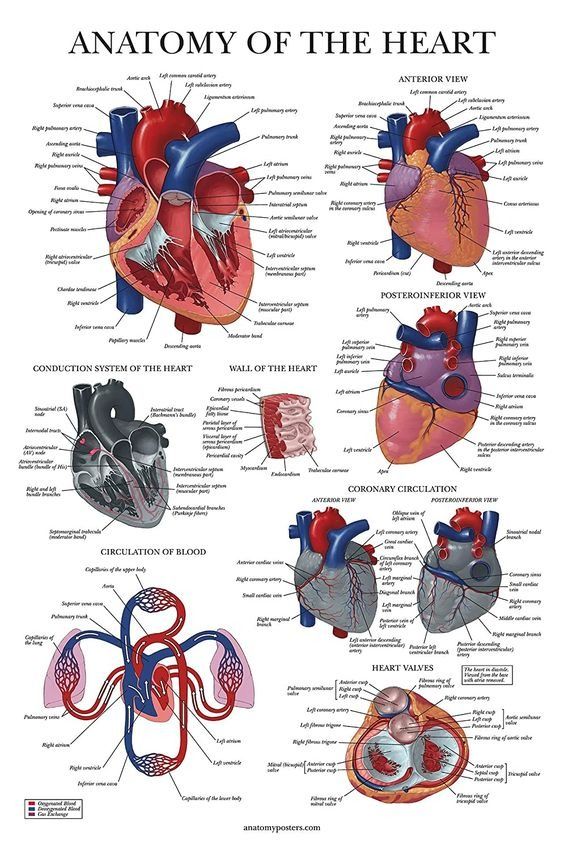
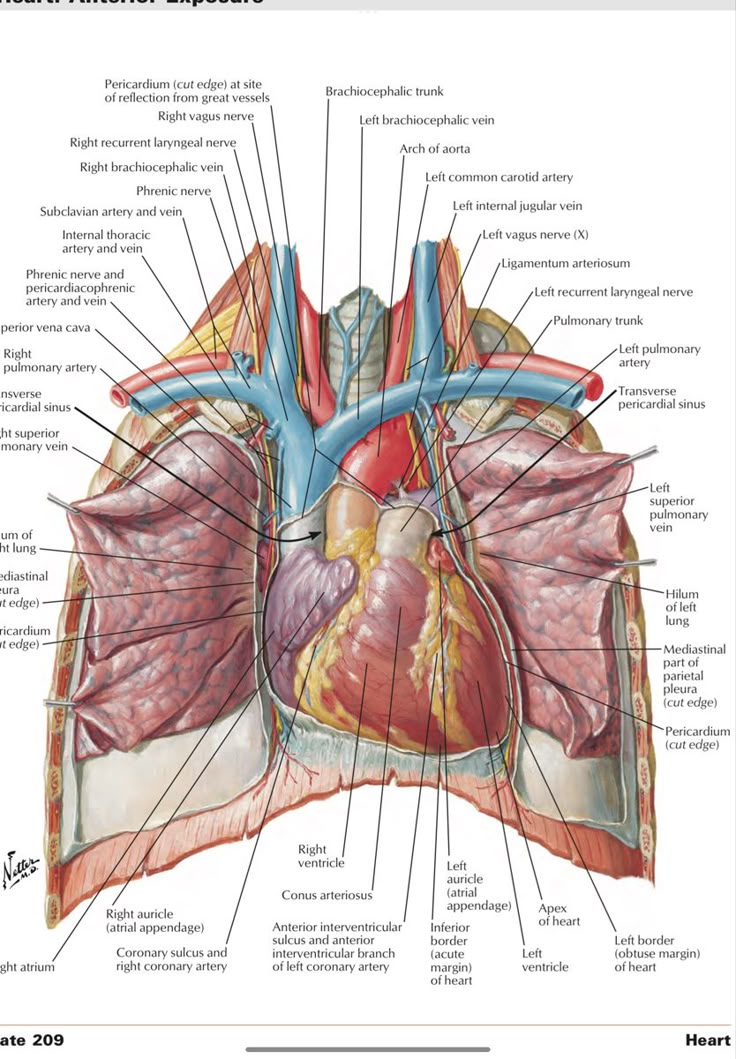
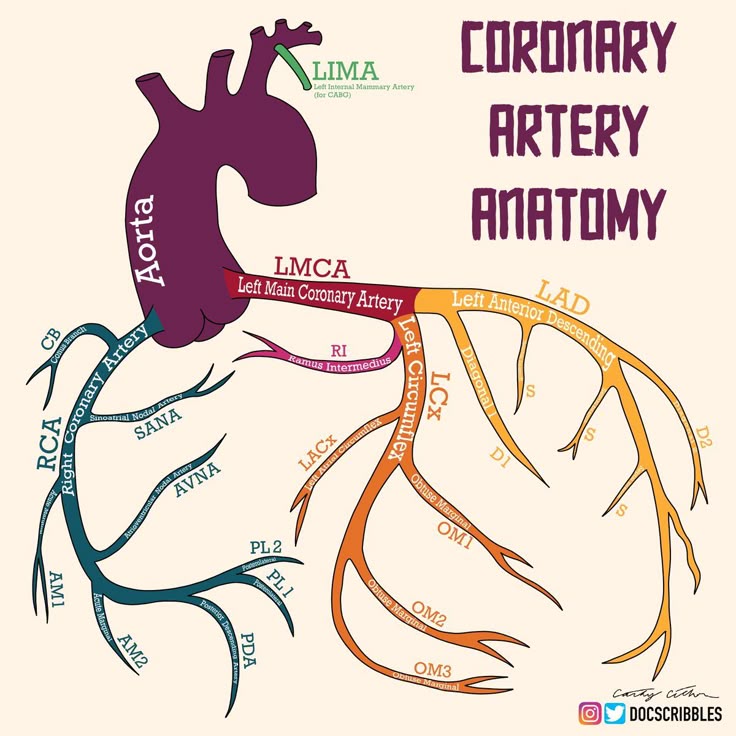
A CT coronary angiography, or CTCA, shows the inside of your coronary arteries without a catheter, without an incision, and without hospital admission. It has become the standard first test for investigating chest pain in patients at low to intermediate risk, precisely because it is very good at ruling coronary disease out.
EVE Healthcare offers CTCA in Delhi NCR from ₹8,000 on a 256-slice Siemens scanner, with the radiologist's report included. Book on WhatsApp or call +91 9990032078.
What CTCA Actually Shows
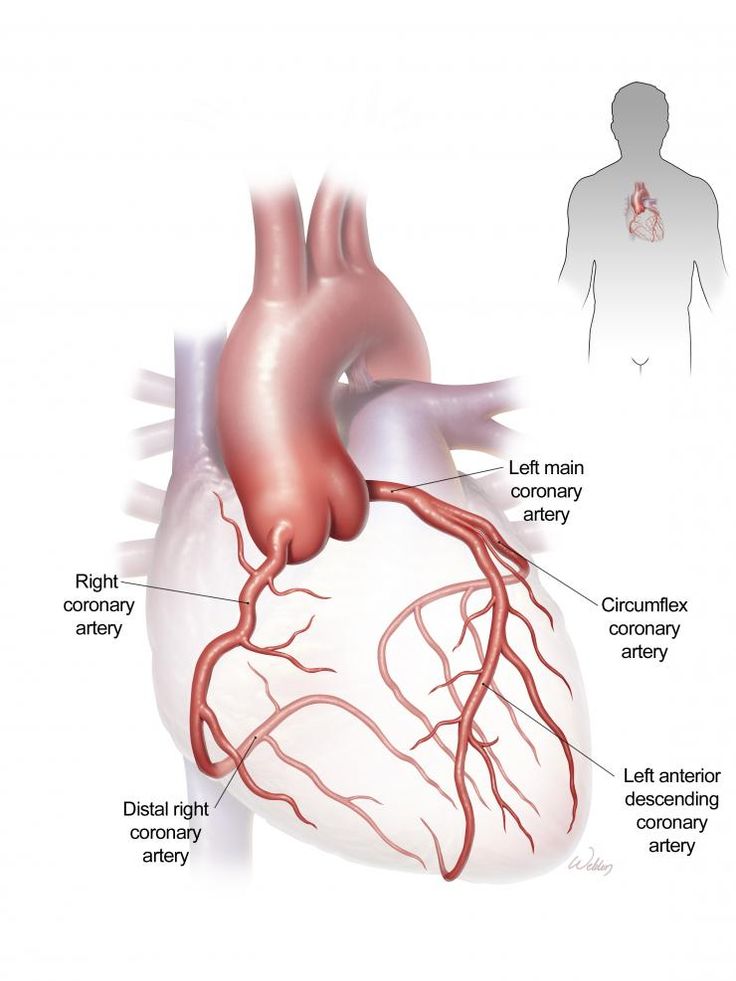
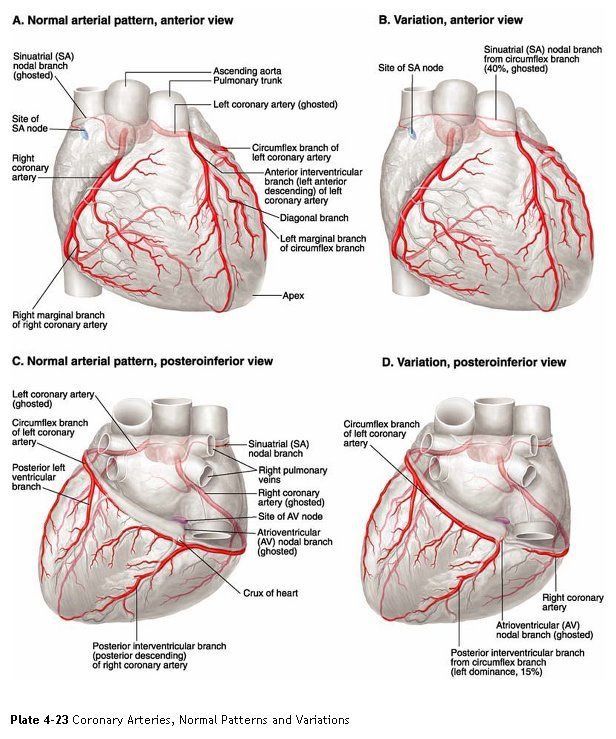
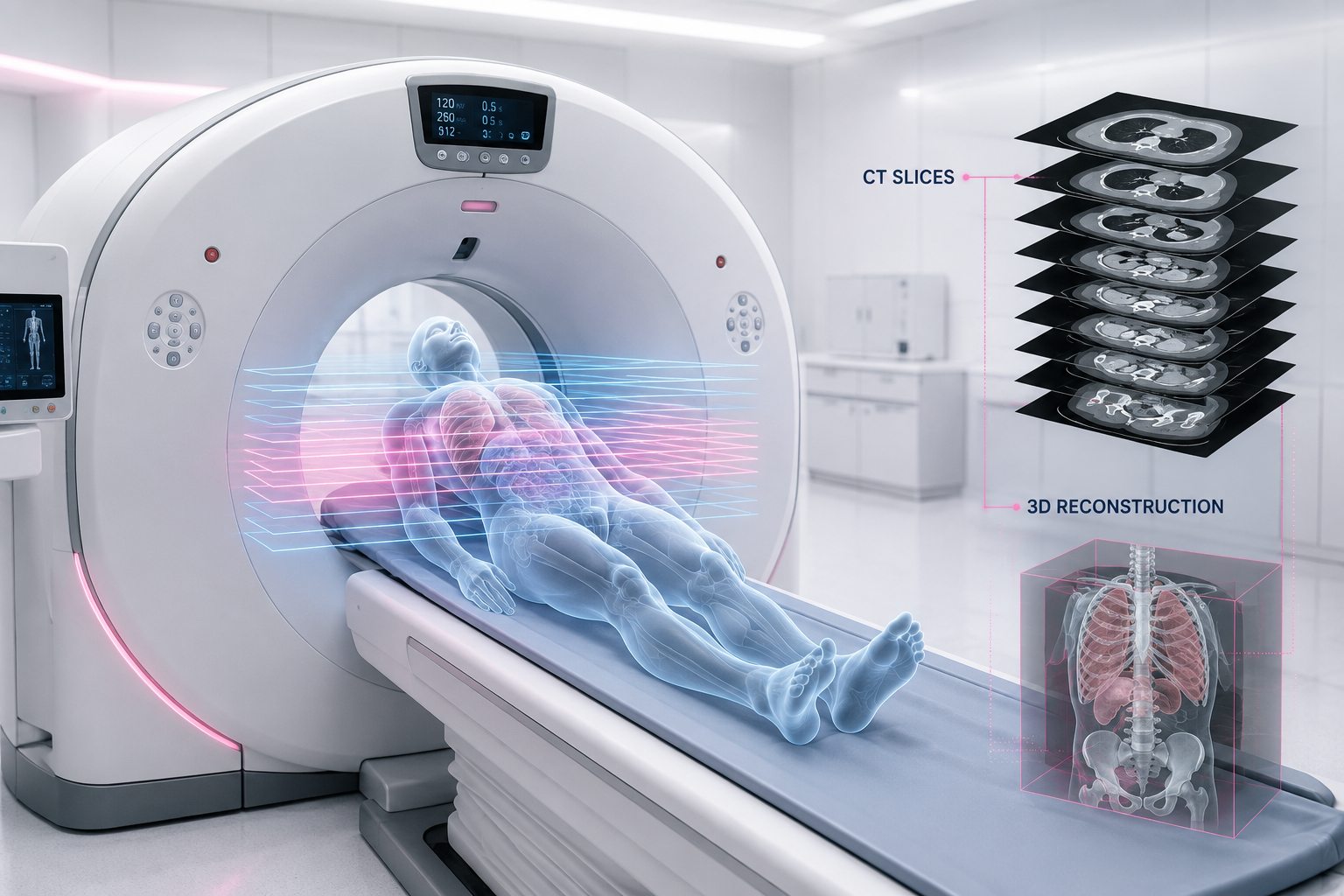
Iodinated contrast is injected through a vein in your arm while an ECG-gated CT scanner captures the heart in the fraction of a second between beats. What emerges is a three-dimensional map of the coronary arteries: where they narrow, where plaque has built up, and whether that plaque is calcified or soft.
That last distinction matters clinically. Invasive catheter angiography shows the artery lumen but tells you little about the vessel wall. CTCA sees both, which is why it detects non-obstructive plaque that a catheter study can miss entirely, and why it has become a prognostic tool rather than just a diagnostic one.
Why the Test Depends Almost Entirely on Your Heart Rate
This is the part no other page explains, and it determines whether your scan is diagnostic or wasted.
The scanner freezes the heart in diastole, the brief pause between contractions. A slow, regular rhythm gives it a long, predictable window. A fast or irregular one does not, and the images blur.
A target heart rate of 60 bpm or below is usually appropriate. Notably, heart rate variability may matter more than the absolute number, which is why an irregular rhythm at 62 bpm can produce a worse study than a steady 68.
If your resting rate is higher, an oral beta blocker, commonly metoprolol, is given roughly an hour before the scan. Its effect appears within an hour, peaking at ninety minutes. For patients in whom beta blockers are contraindicated, intravenous ivabradine achieves the same target rapidly and safely.
Modern high temporal resolution scanners, including 256-slice systems, widen this window. Diagnostic images are often achievable at higher heart rates, though better rate control still allows meaningfully lower radiation dose.
Who Should Not Receive a Beta Blocker
Beta blockers are safe for most patients, but they are withheld when the resting heart rate is already below 60 bpm, when systolic blood pressure is below 100 mmHg, or in decompensated cardiac failure, significant heart block, or active asthma and wheezing. They are used with caution in severe peripheral vascular disease and in patients already taking calcium channel blockers.
Tell the centre about your medications before the appointment, not on the day. It is the single most common reason a CTCA has to be rescheduled.
Calcium Score and CTCA Are Not the Same Test
Patients frequently conflate them, and centres do not always clarify.
A calcium score is a non-contrast, ECG-gated scan that quantifies calcified plaque. It needs no injection, no IV access, and no preparation beyond holding your breath for five to ten seconds. It is inexpensive, reproducible, and excellent for risk stratification.
A CTCA injects contrast to visualise the artery lumen itself, revealing narrowing, soft plaque, and stenosis that a calcium score cannot see.
In practice, the calcium score is usually acquired immediately before the CTCA in the same sitting, using the same breath-hold commands. Ask whether it is included in your quote.
CTCA vs Invasive Coronary Angiography
| CT Coronary Angiography | Invasive Angiography | |
|---|---|---|
| Access | IV cannula in arm | Catheter via wrist or groin |
| Admission | None, walk in and out | Day-care admission |
| Best at | Ruling coronary disease out | Confirming stenosis, guiding intervention |
| Sees vessel wall? | Yes, including soft plaque | No, lumen only |
| Can treat during? | No | Yes, angioplasty and stenting |
| Cost (Delhi) | from ₹8,000 | considerably higher |
CTCA's real strength is its negative predictive value. A clean CTCA effectively excludes significant coronary disease, sparing many patients a catheter procedure altogether.
One honest caveat worth knowing before you receive your result: approximately half of patients with more than 50 percent stenosis on CTCA have no resultant ischaemia on functional testing. A narrowing seen on the scan does not automatically mean a stent. Your cardiologist may order functional testing, such as stress imaging or invasive fractional flow reserve, precisely to avoid unnecessary revascularisation.
Who Is CTCA For?
It is most useful in patients with chest pain at low to intermediate risk of coronary disease, where the clinical question is whether the arteries are clean. It is also used to assess coronary anomalies, to check bypass graft patency, to evaluate stents in larger vessels, and increasingly for preventive assessment in patients with a strong family history, diabetes, hypertension, or high cholesterol.
It is less suited to patients with very high calcium burden, where dense calcification can obscure the lumen, and to those with uncontrolled arrhythmia or an inability to breath-hold.
Contrast, Kidneys, and Metformin
CTCA uses iodinated contrast, so kidney function is checked first. In patients with an eGFR above 60, the risk of contrast nephropathy is very low, under one percent. Patients with an eGFR below 30 are generally not given contrast, and a calcium score may be offered instead.
Bring a recent kidney function test. Tell the centre if you take metformin, which may need to be paused around the scan, or if you have had a previous contrast reaction.
Sublingual nitroglycerin is given about five minutes before scanning to dilate the coronary arteries and improve visualisation. It is withheld if your blood pressure is out of range or if you have taken sildenafil or a similar drug within the preceding 24 to 48 hours. Mention this. Patients frequently do not.
How to Prepare
Avoid caffeine for at least twelve hours beforehand, since it raises heart rate and directly compromises the scan. Fast for around four hours, though water is permitted and encouraged. Continue your regular cardiac medications unless specifically told otherwise, and bring the full list with you rather than trying to recall it.
Wear clothing without metal. Bring your specialist's prescription and a recent kidney function report. Allow one to two hours at the centre in total, most of which is preparation and heart rate control rather than scanning. The scan itself lasts a few seconds of breath-holding.
You will feel the cannula, then a warm flush and a metallic taste as the contrast goes in. Both pass within seconds. There is no pain, no catheter, and no recovery period. You drive yourself home.
What Does the 256-Slice Scanner Actually Change?
Slice count is marketed heavily and understood poorly.
More slices and better temporal resolution mean the heart is captured in fewer gantry rotations, which reduces motion artefact. Practically, this matters most for patients whose heart rate is fast, variable, or in atrial fibrillation, where an older 64-slice scanner would struggle or require aggressive beta blockade.
It also enables lower radiation dose protocols. For a patient with a slow, regular heart rate, a 64-slice scanner still produces a fully diagnostic study. The 256-slice advantage is real, but it is an advantage in difficult patients, not a universal necessity. A centre that tells you otherwise is selling, not advising.
CT Coronary Angiography Cost in Delhi NCR
| Scan | EVE Healthcare | Typical Delhi range |
|---|---|---|
| CT Coronary Angiography (256-slice) | from ₹8,000 | ₹7,000 – ₹18,000 |
| Calcium Score alone | ₹2,000 – ₹4,000 | ₹1,500 – ₹6,000 |
| CTCA + Calcium Score | ₹8,000 – ₹12,000 | ₹8,000 – ₹20,000 |
The spread reflects hospital overheads and scanner generation rather than any difference in what a good radiologist can read. What determines whether your report is usable is that the centre is AERB-licensed, that the scanner is ECG-gated and appropriate for cardiac work, and that a qualified radiologist interprets it. Confirm whether the calcium score and contrast are included in the quoted price, since they are frequently added afterwards.
For comparison across other CT studies, see our CT scan cost in Delhi guide.
What to Confirm Before Booking
Ask whether the scanner is genuinely cardiac-capable and ECG-gated, not merely a high slice count used for general imaging. Confirm that a radiologist experienced in cardiac CT reads the study, since coronary interpretation is a distinct skill. Ask whether the calcium score, contrast, and beta blocker are included in the price. Check that the centre is AERB-licensed, and confirm they can accommodate your heart rate, particularly if you have atrial fibrillation or a rate that stays above 70 bpm.
Related Scans
Book your CT coronary angiography — WhatsApp +91 9990032078 or call. 256-slice Siemens · AERB-licensed centres across Delhi NCR · From ₹8,000 · Reports by radiologists.
-(1).png)
-(1).png)
-(1)-(1).png)