If your endocrinologist has recommended a thyroid scan — this guide explains exactly what type of scan has been prescribed, what it costs in Delhi NCR in 2026, how to prepare, and how to book.
Book nuclear thyroid scan at AERB-licensed centres across Delhi NCR — WhatsApp +91-9990032078
Thyroid Scan Cost in Delhi 2026
| Scan Type | Standalone Nuclear Medicine Centre | Private Hospital |
|---|---|---|
| Thyroid Scan — Technetium-99m | ₹5,000 – ₹9,000 | ₹10,000 – ₹18,000 |
| Thyroid Scan with RAIU (I-123) | ₹6,000 – ₹12,000 | ₹12,000 – ₹22,000 |
| I-131 Thyroid Scan | ₹4,000 – ₹8,000 | ₹8,000 – ₹15,000 |
| Whole Body I-131 Scan (post-thyroidectomy) | ₹6,000 – ₹12,000 | ₹12,000 – ₹25,000 |
CGHS rate for nuclear thyroid scan at NABH-accredited centres: approximately ₹3,500 to ₹5,000 depending on tracer used.
Book via EVE Healthcare — WhatsApp +91-9990032078 for same-day confirmation.
What is a Nuclear Thyroid Scan?
A nuclear thyroid scan is a diagnostic imaging procedure performed in a nuclear medicine department. A small amount of radioactive material — either Technetium-99m pertechnetate or radioactive iodine (I-123 or I-131) — is introduced into the body. The thyroid gland absorbs this tracer and a gamma camera images the distribution of tracer uptake across the gland.
The images show:
- Which areas of the thyroid are active and absorbing tracer normally
- Which areas are overactive (hot nodules)
- Which areas are underactive or inactive (cold nodules)
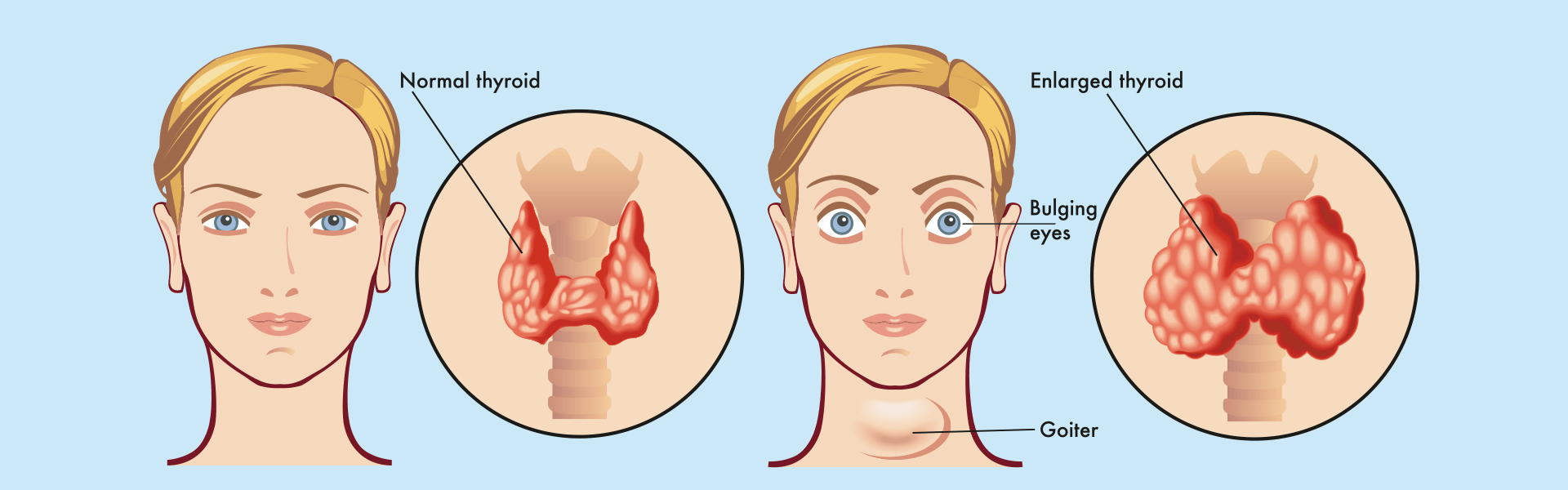
- The overall size, shape and position of the thyroid gland
This is fundamentally different from a thyroid ultrasound — ultrasound shows structure, nuclear scan shows function.
Types of Nuclear Thyroid Scan
Technetium-99m Thyroid Scan (most common)
Technetium-99m pertechnetate is injected intravenously. Imaging is performed 20 to 30 minutes later. This is the quickest thyroid scan and is the most widely available at nuclear medicine centres in Delhi.
Used for:
- Assessing thyroid nodules — hot vs cold
- Evaluating goitre — multinodular vs toxic
- Hyperthyroidism assessment — Graves disease vs toxic nodule
- Ectopic thyroid tissue — lingual thyroid, substernal thyroid
Radioactive Iodine Uptake Test (RAIU) with I-123
An I-123 capsule is swallowed. Imaging and uptake measurements are performed at 4 to 6 hours and at 24 hours. This measures the percentage of iodine absorbed by the thyroid — a direct measure of thyroid activity.
Used for:
- Distinguishing causes of hyperthyroidism
- High uptake — Graves disease or toxic nodule
- Low uptake — thyroiditis (de Quervain's), iodine excess, levothyroxine excess
- Pre-radioactive iodine therapy planning
I-131 Thyroid Scan
Used for post-thyroidectomy thyroid cancer follow-up to detect remnant thyroid tissue or distant metastases. Requires thyroid hormone withdrawal or Thyrogen injection before scanning.
Whole Body I-131 Scan
Used after radioactive iodine therapy for thyroid cancer to confirm ablation or detect metastatic disease in lymph nodes, lungs or bones.
Thyroid Scan vs Thyroid Ultrasound — Key Differences
| Nuclear Thyroid Scan | Thyroid Ultrasound | |
|---|---|---|
| What it shows | Thyroid function — activity of each area | Thyroid structure — size, shape, nodule detail |
| Radiation | Yes — small dose | None |
| Detects nodules | Yes — but limited structural detail | Yes — excellent structural detail |
| Hot vs cold nodules | Yes — primary use | No — cannot assess function |
| Detects ectopic thyroid | Yes | Limited |
| Cost | ₹5,000 – ₹12,000 | ₹500 – ₹2,000 |
| When ordered | After ultrasound finds nodules — to assess function | First-line thyroid investigation |
Ultrasound is usually done first. Nuclear thyroid scan is ordered when functional assessment is needed — typically after a nodule is found on ultrasound or blood tests show hyperthyroidism.
Hot Nodules and Cold Nodules — What They Mean
Hot nodule (increased uptake):
The nodule is absorbing more tracer than the surrounding thyroid tissue — it is overactive. Hot nodules are almost never malignant. They are a common cause of hyperthyroidism and may be treated with radioactive iodine or surgery depending on size and symptoms.
Cold nodule (decreased uptake):
The nodule is absorbing less tracer than surrounding tissue — it is underactive or non-functional. Cold nodules have a small but significant risk of malignancy (approximately 5 to 10 percent) and usually require fine needle aspiration cytology (FNAC) for further assessment.
Warm nodule (equal uptake):
The nodule takes up tracer at the same rate as surrounding tissue. Usually benign but requires correlation with ultrasound and clinical findings.
When is a Nuclear Thyroid Scan Ordered?
Hyperthyroidism evaluation:
When blood tests show suppressed TSH and elevated T3/T4, the thyroid scan differentiates between Graves disease (diffuse uptake), toxic nodule (focal hot area with suppressed surrounding gland) and thyroiditis (very low uptake).
Thyroid nodule assessment:
After an ultrasound identifies a thyroid nodule, the nuclear scan determines whether the nodule is hot (almost certainly benign) or cold (requires FNAC).
Goitre assessment:
In multinodular goitre, the scan maps which nodules are active and which are suppressed — guiding treatment decisions.
Pre-radioactive iodine therapy:
Before I-131 treatment for hyperthyroidism or thyroid cancer, a scan and uptake measurement is performed to calculate the correct dose.
Post-thyroidectomy follow-up:
Whole body I-131 scan detects remnant thyroid tissue and metastases after surgery for differentiated thyroid cancer.
Ectopic thyroid:
When the thyroid is not in its normal position — lingual thyroid, substernal thyroid — the scan locates the functional thyroid tissue.
How to Prepare for a Nuclear Thyroid Scan
Preparation is critical for accurate results. Incorrect preparation — particularly iodine contamination — is the most common cause of technically inadequate thyroid scans.
Stop iodine-containing substances:
- Iodised salt — switch to non-iodised salt for 2 to 4 weeks before the scan
- Seafood, seaweed, kelp supplements — avoid for 2 weeks
- Iodine-containing medications — Amiodarone (may require 3 to 6 months washout), Povidone-iodine solutions, multivitamins with iodine
- Iodine contrast from CT scan — if you had a contrast CT recently, inform the nuclear medicine team. Contrast iodine can interfere with thyroid uptake for 4 to 8 weeks
Stop thyroid medications as instructed:
Your endocrinologist will advise whether to stop levothyroxine, carbimazole or PTU before the scan and for how long. Do not stop thyroid medications without specific instruction — the duration varies by medication and clinical indication.
Pregnancy and breastfeeding:
Nuclear thyroid scan is avoided in pregnancy. If breastfeeding — inform the team. Breastfeeding may need to be interrupted for 24 to 48 hours after technetium scan and significantly longer after I-131.
Bring to the appointment:
- Endocrinologist referral or prescription
- Recent blood tests — TSH, T3, T4, thyroid antibodies
- Previous ultrasound report and images
- List of all current medications
What to Expect During the Procedure
Technetium-99m scan:
One — IV injection of technetium pertechnetate
Two — 20 to 30 minute wait
Three — Gamma camera imaging of the neck — 15 to 20 minutes
Four — Total time at centre: 45 to 60 minutes
I-123 RAIU:
One — Radioactive iodine capsule swallowed at the centre
Two — Return for uptake measurement and imaging at 4 to 6 hours
Three — Return again at 24 hours for final measurement
Four — Total involvement: two visits over 24 hours
I-131 scan:
One — I-131 capsule swallowed
Two — Imaging at 24 to 72 hours depending on indication
Three — Some post-scan restrictions may apply — the nuclear medicine team will advise
The scan itself is painless. You will lie still on a table while the gamma camera moves around your neck and chest. No tunnel — no claustrophobia risk.
Is Nuclear Thyroid Scan Safe?
Yes — nuclear thyroid scans use very small amounts of radioactive material. The radiation dose from a technetium thyroid scan is approximately 1 to 2 mSv — equivalent to a few months of natural background radiation. The dose from I-123 RAIU is similar. I-131 doses are higher and are used only when clinically essential.
After a technetium scan — no special precautions needed. Resume normal activities immediately.
After I-123 — drink plenty of water for 24 hours to help flush the tracer.
After I-131 — specific post-scan precautions apply. The nuclear medicine team will provide detailed instructions based on the dose used.
Book Nuclear Thyroid Scan in Delhi NCR
EVE Healthcare partner AERB-licensed nuclear medicine centres offer technetium thyroid scan, I-123 RAIU and I-131 thyroid scan across Delhi NCR with same-day and same-week availability.
Book online at eve-healthcare.com or WhatsApp +91-9990032078 to confirm tracer availability and same-day appointments.
.png)
-(1).png)
.png)