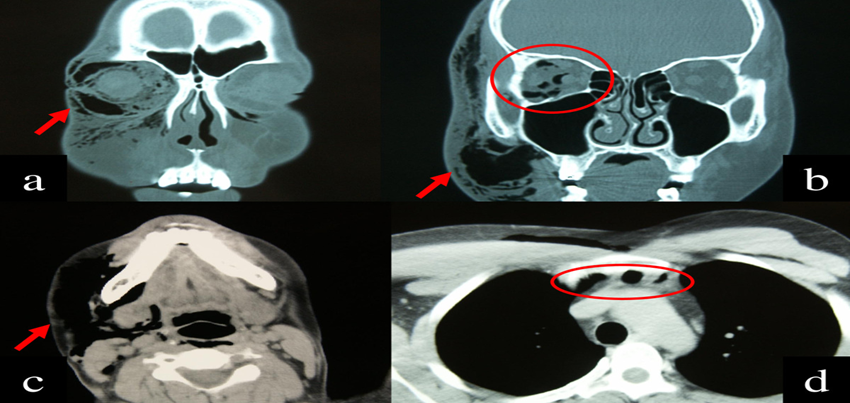
CT Scan Head Orbit:
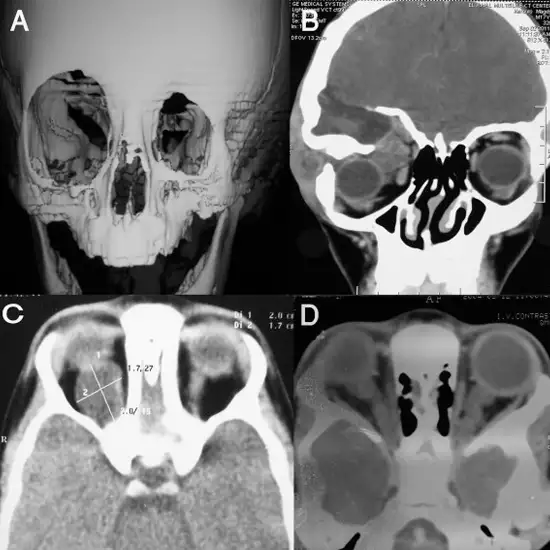
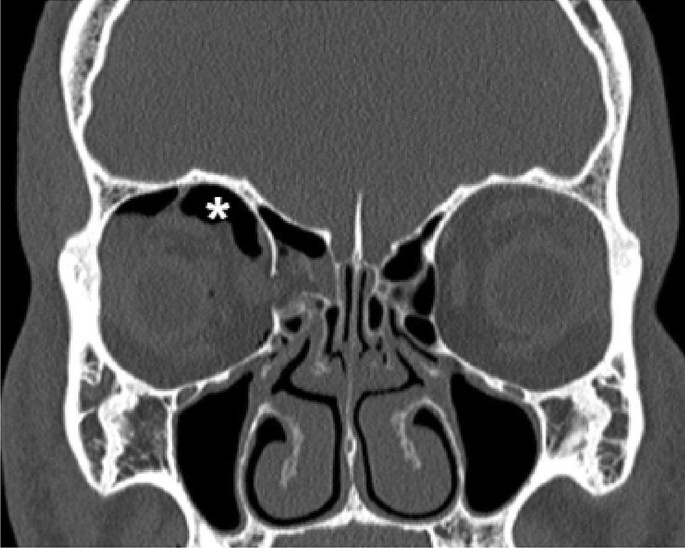
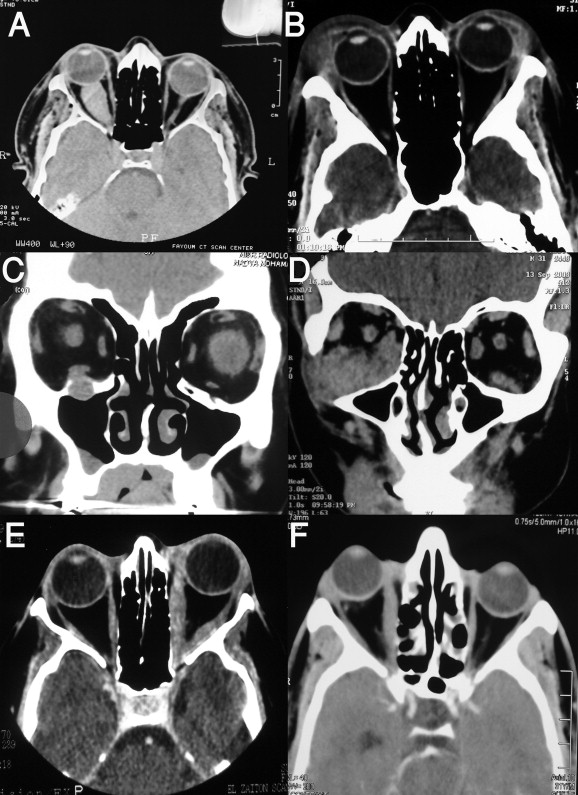
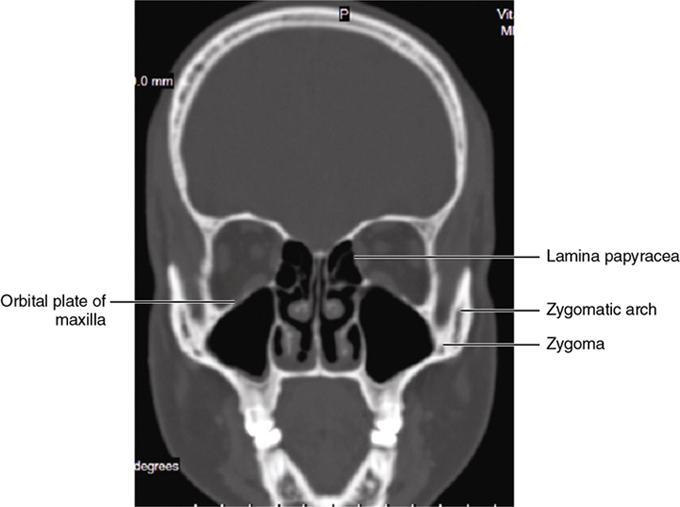
A CT (Computed Tomography) Scan of the Head Orbit is an advanced imaging technique used to obtain detailed images of the eye sockets (or orbits), the surrounding bones, tissues, and structures around the eye. This scan helps to assess conditions affecting the eyes and their surrounding anatomy, including the orbit, optic nerves, and sinuses. CT scans are critical for providing high-resolution images, which can help in diagnosing and managing various eye-related issues.
What is a CT Scan of the Head Orbit?
A CT Scan of the head orbit involves using X-rays to take detailed cross-sectional images of the eye region and surrounding areas. These images are then reconstructed using computer algorithms to provide detailed, 3D visuals of the internal structures.
This scan is highly effective in visualizing the delicate and complex structures around the eyes that may not be visible through conventional X-rays.
Why is a CT Scan of the Head Orbit Done?
A CT Scan of the Head Orbit may be recommended for a variety of reasons, such as:
- Diagnosing Eye Conditions: To detect injuries, infections, or tumors in or around the eye.
- Assessing Orbital Fractures: Particularly useful after trauma or accidents to check for fractures in the bones surrounding the eye.
- Evaluating Soft Tissue Abnormalities: To examine the muscles, nerves, and tissues in the eye area for signs of disease or damage.
- Planning Surgeries: CT scans are also useful for planning surgeries or treatments related to the eyes, such as orbital decompression surgery or tumor removal.
- Detecting Eye Diseases: For conditions like orbital cellulitis (infection), thyroid eye disease, or optic nerve abnormalities.
Preparation for the Scan
Before undergoing a CT Scan of the head orbit, patients may need to:
- Medical History: Provide a complete medical history, particularly if there is a history of allergies or previous surgeries.
- Fasting: If a contrast dye is required, you may be asked to fast for 4-6 hours prior to the scan.
- Remove Metal Objects: Remove any jewelry or metallic items that could interfere with the imaging.
How is the Procedure Performed?
- Registration and Pre-Scan: You will be registered at the facility and asked to fill out some pre-scan documentation.
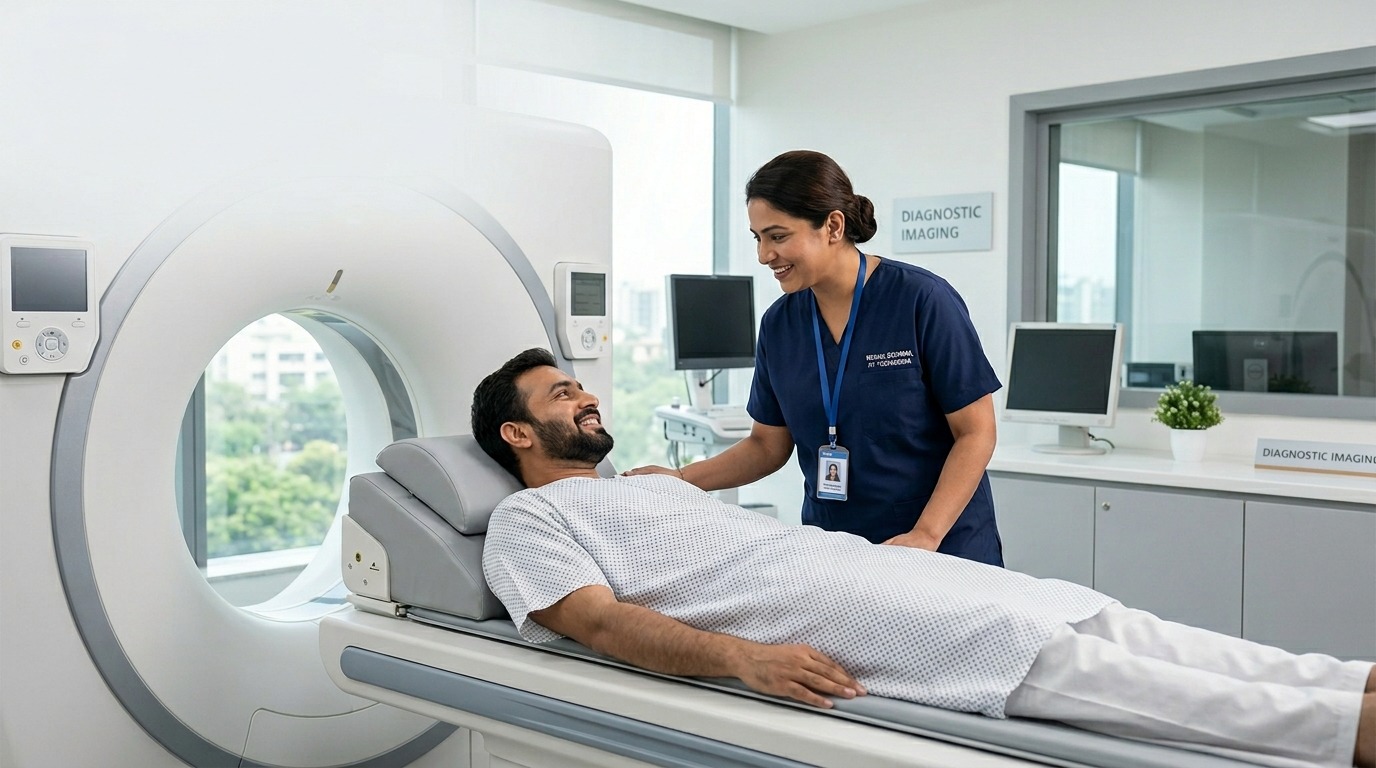
- Positioning: For this scan, you’ll typically be positioned on your back, with your head placed in a fixed position to avoid any movement during the scan.
- Scanning:
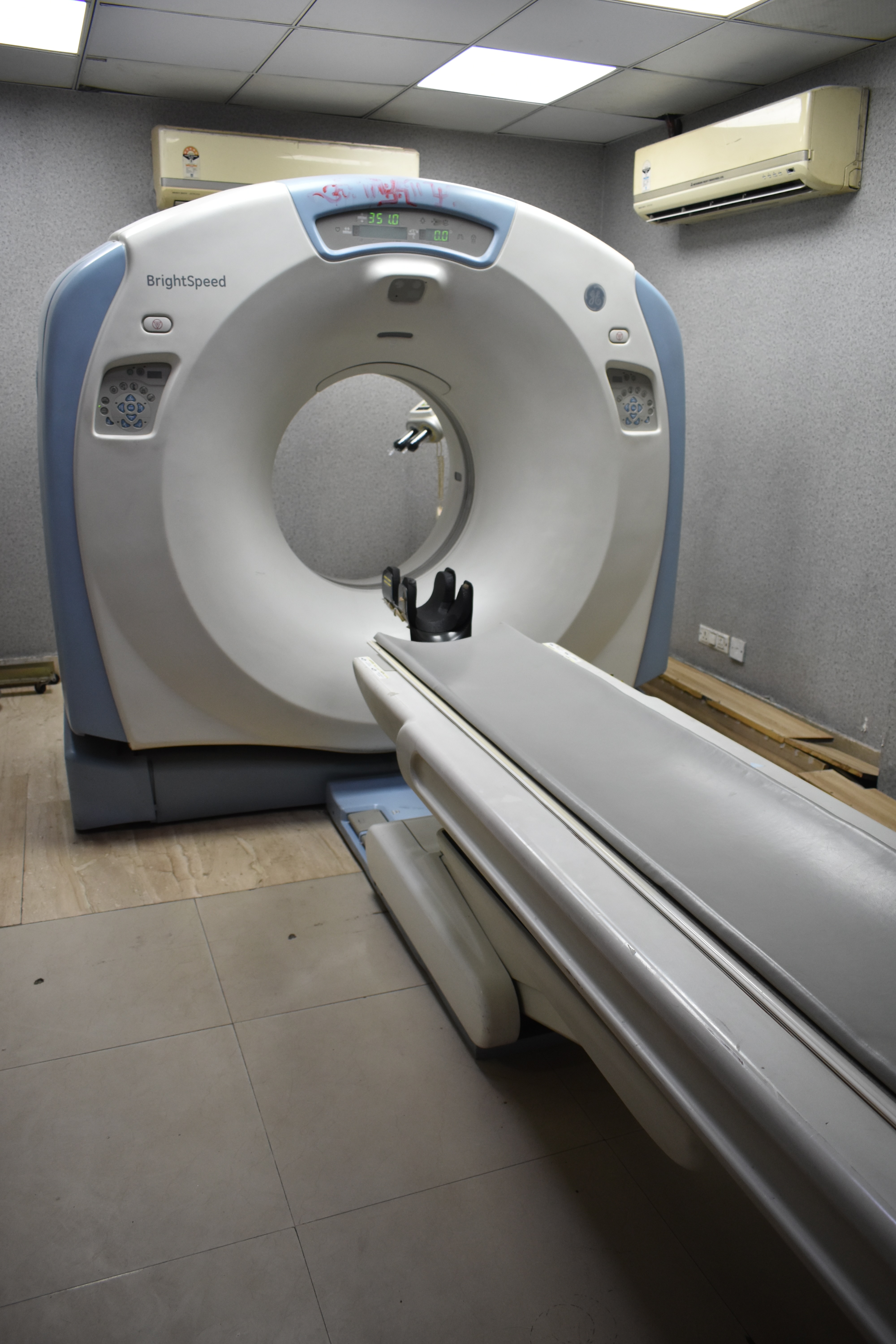
- Without Contrast: The CT machine will rotate around your head to capture detailed images of the eye region.
- With Contrast: If contrast material is used, it is usually injected into a vein (intravenously). This helps highlight blood vessels, soft tissues, and tumors more clearly.
- Completion: The entire process usually takes 10 to 20 minutes. Once the scan is complete, you will be able to resume your normal activities immediately.
Benefits of a CT Scan of the Head Orbit
- High-Resolution Imaging: Provides precise images that help in detecting even the smallest abnormalities in and around the eye region.
- Non-invasive: It is a non-surgical procedure that helps to identify various issues without needing to perform invasive tests.
- Quick and Efficient: The scan is quick, usually taking less than 30 minutes, making it efficient for diagnosing urgent conditions.
- Comprehensive: A CT scan of the head orbit provides a 3D view of both the bony and soft tissues, which is helpful for planning treatment or surgery.
Are There Any Risks?
While CT scans are generally safe, there are some risks involved:
- Radiation Exposure: Though minimal, CT scans involve a higher level of radiation than standard X-rays.
- Contrast Dye Reactions: Rare allergic reactions may occur if contrast material is used.
- Kidney Function: For those with kidney issues, the use of contrast dye should be carefully considered, as it may affect kidney function.
Average Price of a CT Scan Head Orbit
The average cost of a CT Scan of the head orbit is ₹3,500 in India. However, the price may vary depending on the diagnostic center, location, and whether contrast dye is used.
How to Interpret the Results?
Once the scan is completed, the images will be analyzed by a radiologist, who will prepare a detailed report. The report will be shared with your doctor to help them determine the next steps.
- Normal Results: Indicate no significant abnormalities or concerns in the orbital region.
- Abnormal Results: Could point to conditions like fractures, tumors, infections, or other eye-related conditions that require further evaluation or intervention.
Conclusion
A CT Scan of the Head Orbit is an essential diagnostic tool for evaluating conditions related to the eyes, orbital bones, soft tissues, and surrounding structures. With its ability to provide detailed, 3D images, a CT scan offers unparalleled insight into the health of your eyes and related areas.
If you experience symptoms such as persistent eye pain, swelling, or trauma to the face or eyes, a CT scan may be an important next step in your diagnosis and treatment. The cost of a CT Scan of the Head Orbit is typically around ₹3,500, making it an accessible option for those needing advanced imaging to assess eye and orbital health.