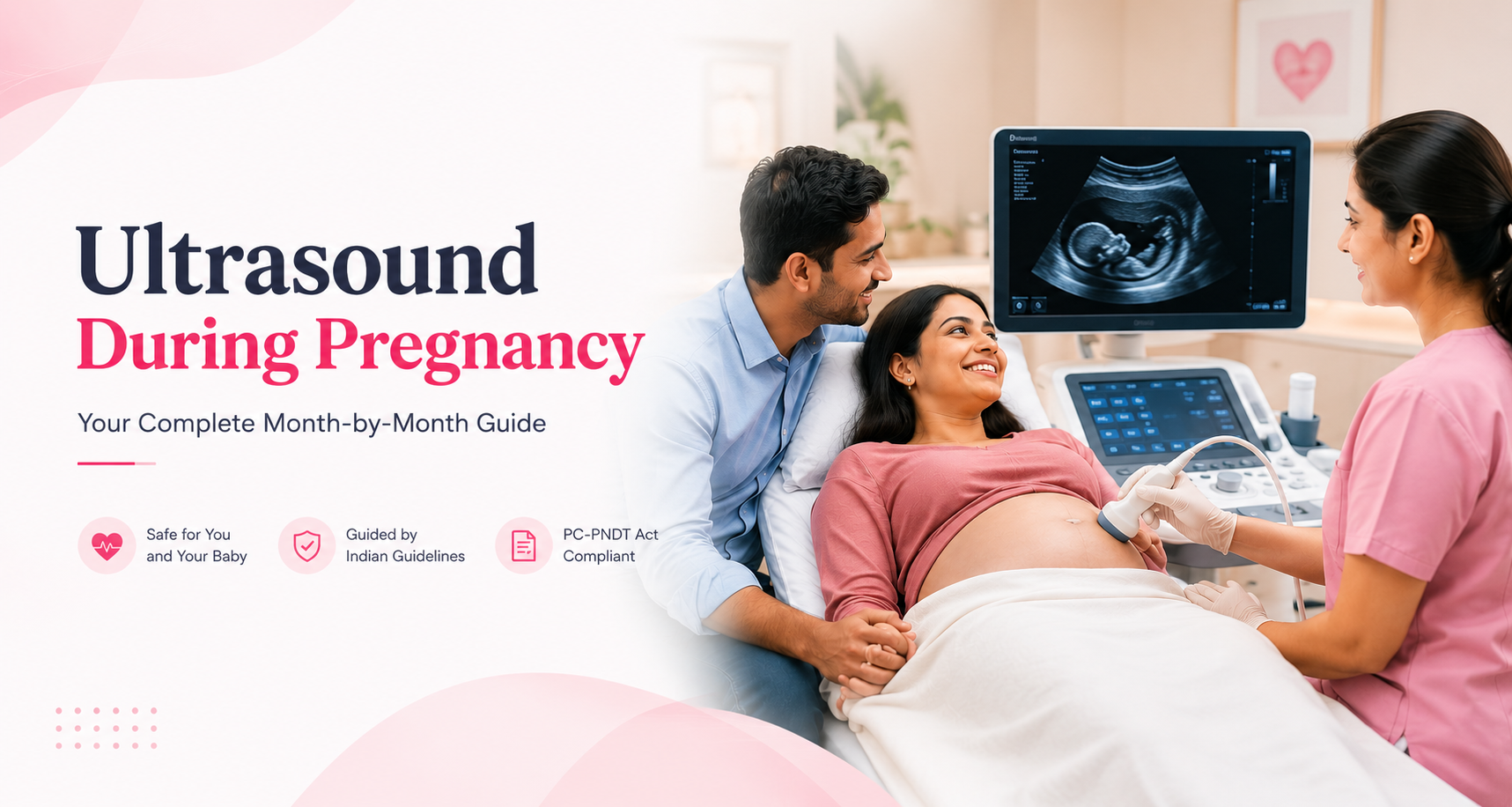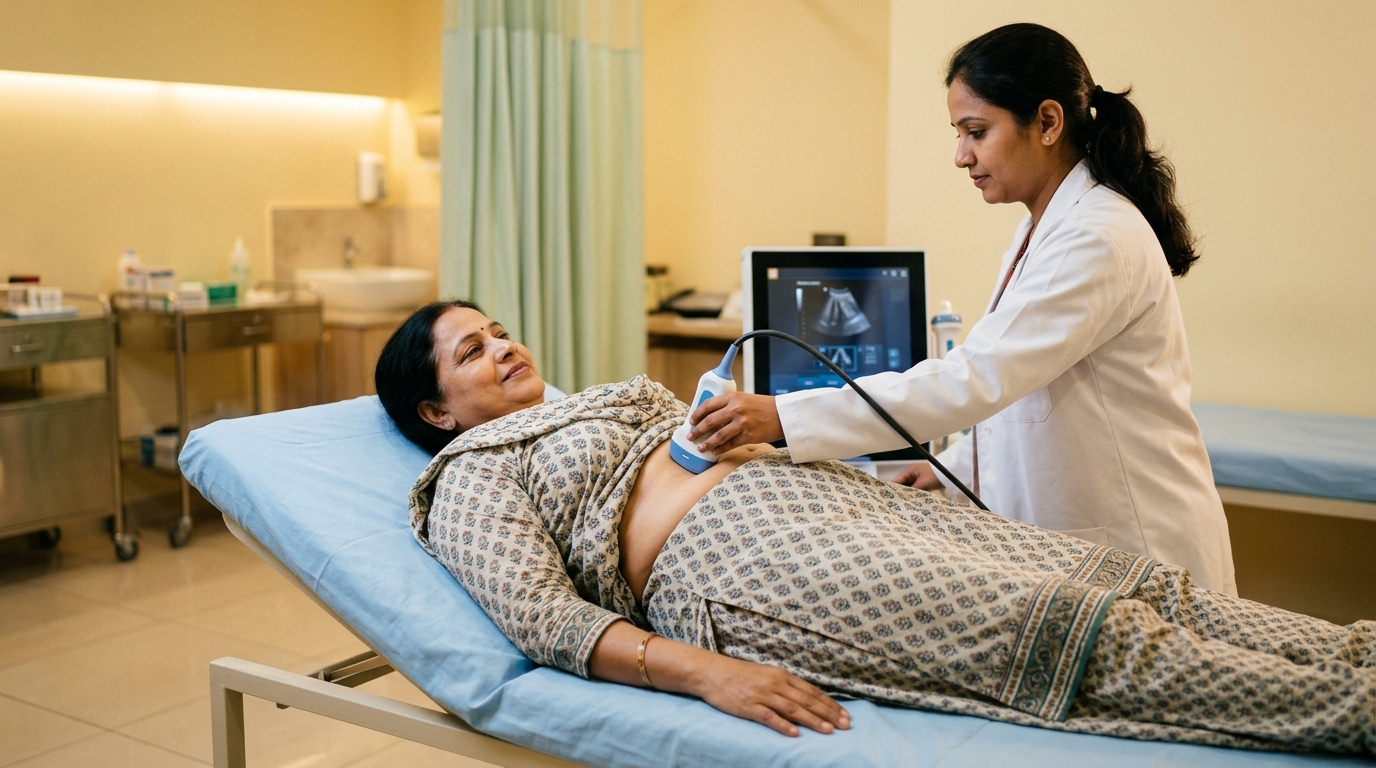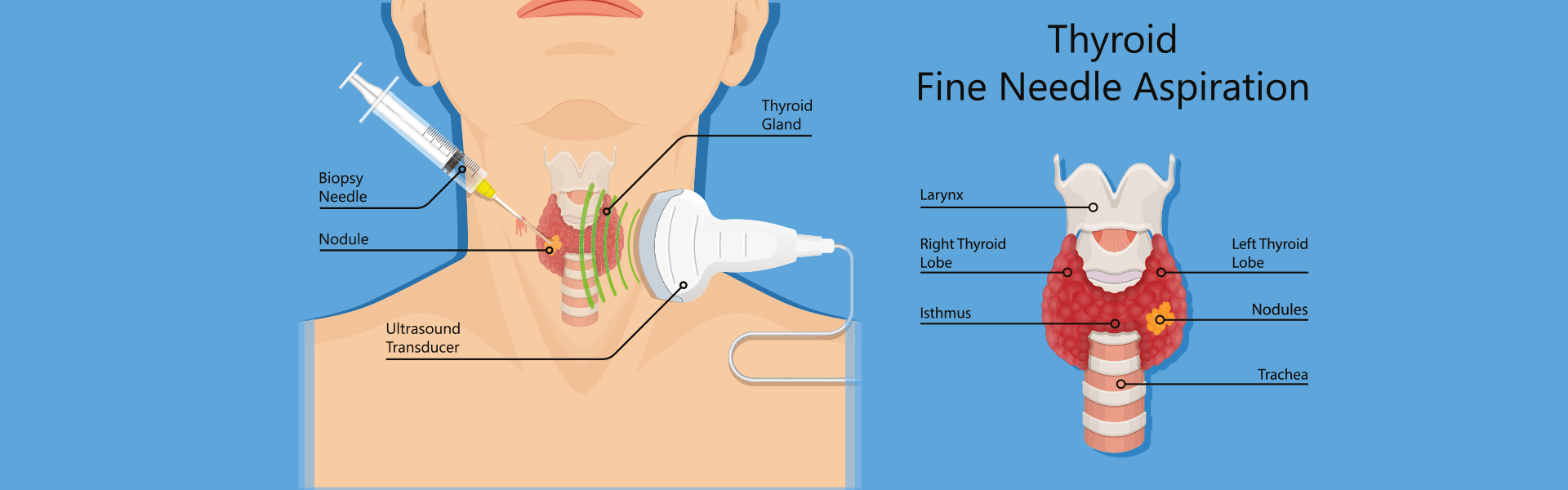
Transvaginal Ultrasound (TVS) is a specialized imaging test that helps doctors examine the female pelvic organs in detail. Here’s a straightforward explanation:
What is Transvaginal Ultrasound (TVS)?
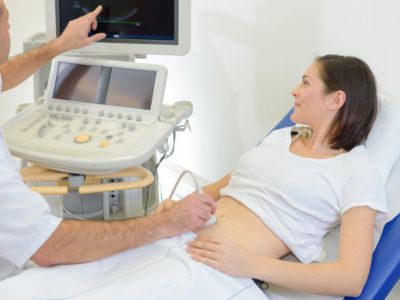
TVS uses high-frequency sound waves to create clear images of the internal structures of the female pelvis. Unlike a regular abdominal ultrasound, which is done on the outside of your body, TVS involves gently inserting a small, specially designed probe into the vagina. This method provides more detailed and accurate images of the pelvic organs.
Why is TVS Used?
TVS is commonly used for:
1. Assessing Gynecological Conditions:
• Ovarian Cysts or Tumors: To check for and evaluate cysts or tumors in the ovaries.
• Uterine Fibroids: To find and measure fibroids in the uterus.
• Endometrial Abnormalities: To look at the lining of the uterus and check for issues.
2. Evaluating Pelvic Pain: To figure out the cause of unexplained pelvic pain or discomfort.
3. Monitoring Pregnancy:
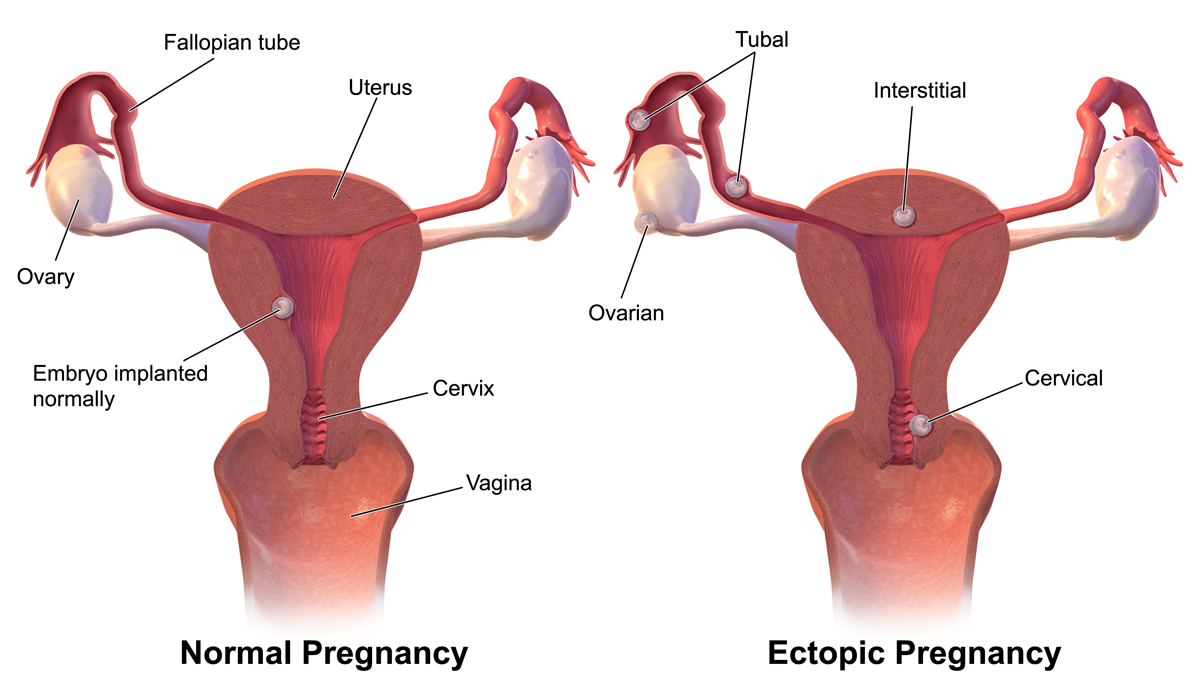
• Early Pregnancy: To confirm a pregnancy, check if it’s progressing normally, and rule out issues like ectopic pregnancies.
• Miscarriage Assessment: To assess the status of a pregnancy if there’s bleeding or concerns about miscarriage.
4. Investigating Infertility: To diagnose conditions that might affect fertility, such as polycystic ovary syndrome (PCOS) or issues with the uterus.
5. Guiding Medical Procedures: TVS can help guide certain procedures, like draining ovarian cysts.
How Does TVS Work?
1. Preparation:
• You’ll lie on an examination table with your knees bent and feet in stirrups.
2. Procedure:
• A lubricated, sterile probe is gently inserted into the vagina. It’s usually covered with a latex-free sheath for hygiene.
• The probe sends out sound waves that bounce off internal structures, creating echoes. These echoes are turned into real-time images on a screen.
3. Duration: The test typically takes 15-30 minutes.
Advantages of TVS
• High-Resolution Images: It provides clearer images of the pelvic organs than an abdominal ultrasound.
• Early Detection: Useful for spotting issues that might not be visible with an abdominal ultrasound.
• Non-Invasive: Generally safe and doesn’t involve radiation.
Limitations and Considerations
• Comfort: Some people might feel uncomfortable or embarrassed because of the vaginal probe.
• Preparation: Unlike abdominal ultrasounds, you don’t need a full bladder for this test.
Risks and Safety
TVS is safe with very few risks. However, if you have any allergies or sensitivities to latex, let your healthcare provider know, as some probes may be coated with latex.
Conclusion
Transvaginal Ultrasound is a valuable tool for diagnosing and monitoring various gynecological and obstetric conditions. If you have any questions or concerns about the procedure, it’s a good idea to discuss them with your healthcare provider for personalized advice and reassurance.