Hysterosalpingography (HSG): A Complete Guide
Introduction
Hysterosalpingography (HSG) is a specialized X-ray procedure used to examine the uterus and fallopian tubes. It plays a critical role in the evaluation of fertility issues and helps healthcare providers diagnose conditions that may affect a woman’s ability to conceive. This blog will explore what an HSG test involves, why it is performed, how to prepare for it, and what to expect during and after the procedure.
What is Hysterosalpingography (HSG)?
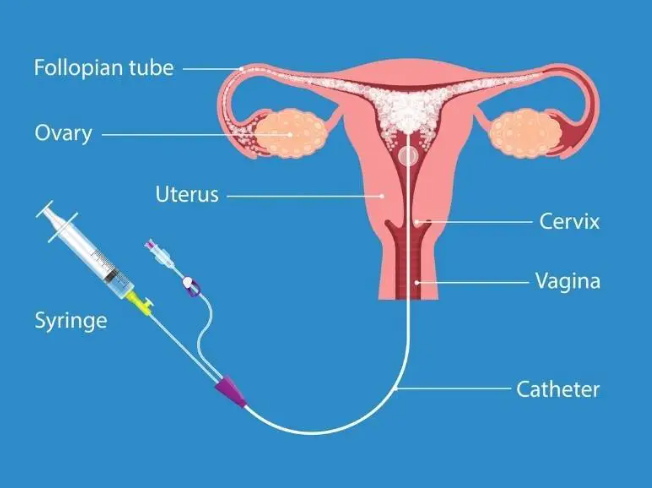
HSG is an imaging test that allows a radiologist to visualize the inside of the uterus and fallopian tubes using a contrast dye and X-ray technology. The dye is inserted into the uterus through the cervix, and X-ray images are taken to monitor its flow through the uterus and fallopian tubes. This helps in identifying blockages or abnormalities that could hinder fertility.
Why is an HSG Test Performed?
HSG is commonly performed to investigate issues related to infertility or recurrent miscarriages. Some of the key reasons include:
- Detecting Blockages in the Fallopian Tubes: Blocked fallopian tubes are one of the leading causes of infertility. An HSG can show whether the tubes are open or blocked.
- Evaluating the Uterine Cavity: The test can identify abnormalities within the uterus, such as fibroids, polyps, or scar tissue, which might affect implantation and pregnancy.
- Checking the Success of Tubal Surgery: After a tubal ligation reversal or other surgeries affecting the fallopian tubes, an HSG can be used to confirm the procedure’s success.
How to Prepare for an HSG
Preparing for an HSG test involves a few steps to ensure accurate results and minimize discomfort:
- Schedule After Menstruation: The HSG is usually performed after your period but before ovulation (days 5-10 of your cycle). This timing reduces the risk of the procedure affecting a potential pregnancy.
- Pain Management: Some women may experience mild cramping during the procedure. Taking over-the-counter pain medication, such as ibuprofen, about 30-60 minutes before the test can help reduce discomfort.
- Antibiotics: In certain cases, your doctor may prescribe antibiotics before the procedure to prevent infection.
- Avoid Intercourse: It’s often recommended to avoid intercourse from the end of your period until after the HSG to reduce the risk of infection or pregnancy.
The HSG Procedure
-
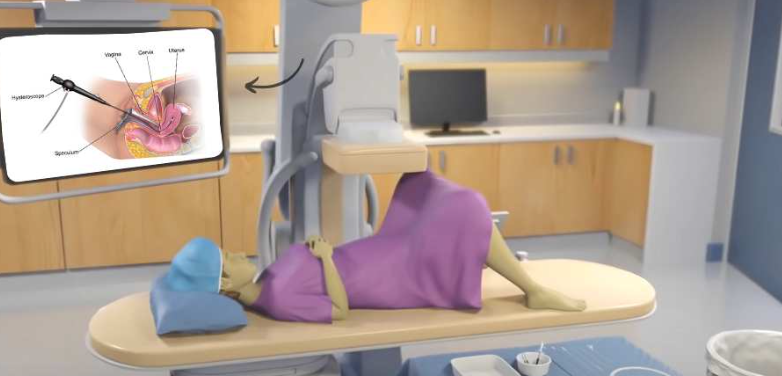
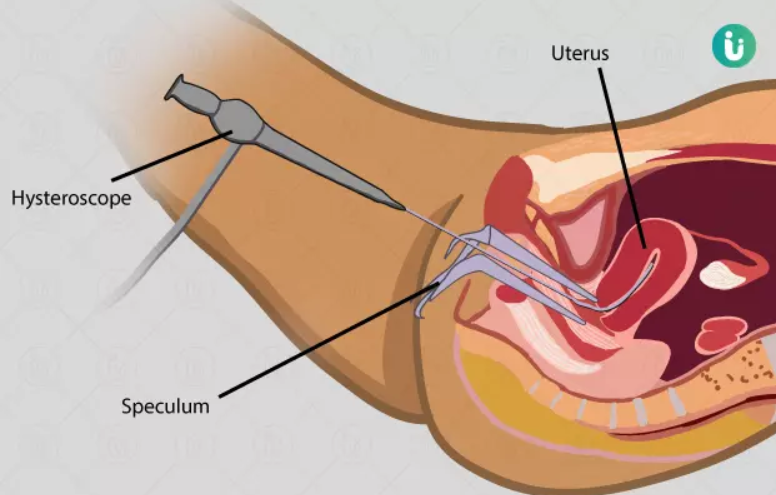
Preparation: You will lie on your back on an X-ray table with your feet in stirrups, similar to a pelvic exam. A speculum is inserted into the vagina to help visualize the cervix.
-
Inserting the Dye: A thin tube (catheter) is gently inserted into the cervix, and the contrast dye is slowly injected. This dye fills the uterus and fallopian tubes, making them visible on X-ray images.
-
Taking X-rays: As the dye flows through the reproductive organs, a series of X-rays are taken. The radiologist monitors how the dye moves, checking for blockages or abnormalities in the uterus and fallopian tubes.
-
Completion: Once the images are captured, the procedure is complete. The speculum and catheter are removed, and you may be asked to rest briefly before going home.
What to Expect After the Procedure
After the HSG, you may experience mild cramping or discomfort, similar to menstrual cramps. Spotting or light bleeding is also common for a day or two. Over-the-counter pain relievers can help alleviate any discomfort. Serious complications, such as infection, are rare, but it’s essential to contact your doctor if you experience symptoms like fever, heavy bleeding, or severe pain.
Interpreting HSG Results
The results of an HSG are typically available shortly after the procedure, as the images are reviewed by a radiologist. Here are some possible findings:
- Normal: The dye flows freely through the uterus and fallopian tubes, indicating that there are no blockages or major abnormalities.
- Blocked Fallopian Tubes: If the dye does not pass through one or both fallopian tubes, it suggests a blockage, which could be due to scarring, infection, or other factors affecting fertility.
- Uterine Abnormalities: HSG can detect issues such as fibroids, polyps, or congenital abnormalities in the shape or structure of the uterus.
Risks and Side Effects
While HSG is generally considered safe, some potential risks and side effects include:
- Infection: Rarely, an infection may occur, especially if there’s an existing problem in the reproductive organs.
- Allergic Reaction: Some women may have an allergic reaction to the contrast dye used during the procedure.
- Radiation Exposure: HSG involves a small amount of radiation, but the exposure is minimal and not considered harmful.
Conclusion
Hysterosalpingography (HSG) is an essential diagnostic tool in the evaluation of fertility, providing critical information about the structure and function of the uterus and fallopian tubes. It’s a relatively quick and straightforward procedure that can offer valuable insights into the potential causes of infertility and help guide future treatment options.
If you’re considering an HSG test or have questions about fertility evaluation, consult with your healthcare provider. At EVE Healthcare, we are committed to offering comprehensive diagnostic services with a focus on patient comfort and care. Our expert team is here to support you through every step of your fertility journey.

.jpeg)