
What Is an HSG (Hysterosalpingogram) Test?
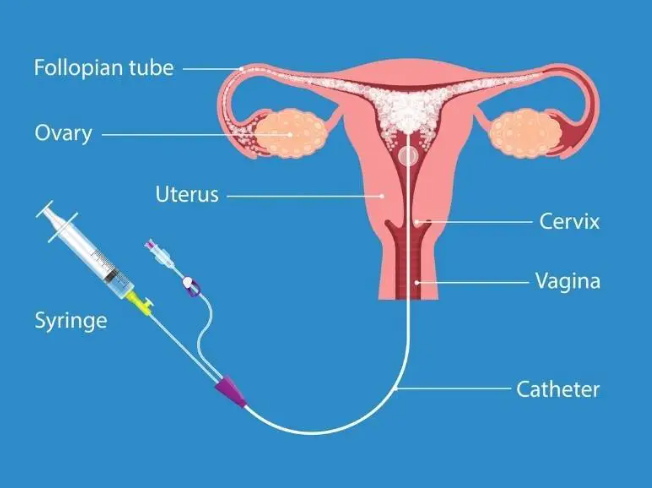
Hysterosalpingography, commonly known as HSG, is a specialized X-ray imaging test used to examine the uterus and fallopian tubes. It involves injecting a contrast dye into the uterine cavity through the cervix, which helps highlight the internal shape of the uterus and the patency (openness) of the fallopian tubes on X-ray images.
Why Is the HSG Test Ordered?
The HSG test is primarily recommended for women experiencing infertility or recurrent miscarriages. It helps detect structural abnormalities such as uterine malformations, scarring, polyps, or blockages in the fallopian tubes that may prevent conception or cause pregnancy loss. Additionally, it can be used to evaluate tubal damage after pelvic infections or surgeries.
Preparation and Fasting for HSG
No specific fasting or special preparation is required before the HSG test. However, it is usually scheduled after menstruation but before ovulation (typically between days 7 and 10 of the menstrual cycle) to ensure the patient is not pregnant and to get clear images. Patients may be advised to avoid intercourse before the test and to inform the doctor about any allergies, especially to iodine or contrast materials.
Procedure of the HSG Test
- The patient lies on an X-ray table, and a speculum is inserted into the vagina to access the cervix.
- A thin catheter is gently inserted through the cervix into the uterus.
- Contrast dye is slowly injected through the catheter, filling the uterine cavity and fallopian tubes.
- X-ray images are taken as the dye flows through these structures to detect any blockages or abnormalities.
- The entire procedure typically takes around 30 minutes and may cause mild discomfort or cramping.
Understanding HSG Test Results
The HSG images provide detailed views of the uterine cavity and fallopian tubes. Normal results show a regular uterine shape with free flow of contrast through both fallopian tubes into the abdominal cavity. Abnormal findings may include:
- Blocked or damaged fallopian tubes
- Uterine abnormalities such as fibroids, polyps, adhesions, or congenital malformations
- Scarring or narrowing within the uterus or tubes
It is important to note that while HSG is a valuable diagnostic tool, interpretation of results should be done by a qualified clinician who can correlate findings with clinical history and other investigations.
Practical Details: Cost, Duration, and Report Time
- Cost: Rs. 4000
- Test Duration: Approximately 30 minutes
- Report Turnaround Time: Around 1 hour after the procedure
HSG is a safe and effective test widely used in infertility workups. Patients should discuss any concerns or allergies with their healthcare provider before the test.

.jpeg)