What Is a CT Scan 3D Reconstruction?
A CT Scan with 3D Reconstruction is an advanced diagnostic imaging technique that uses X-rays to create detailed three-dimensional images of internal body structures. Unlike a standard CT scan that produces two-dimensional slices, 3D reconstruction compiles these slices to form a comprehensive 3D model, allowing better visualization of bones, organs, blood vessels, and other tissues.
Why Is CT Scan 3D Reconstruction Ordered?
This test is commonly requested to provide enhanced anatomical details that assist doctors in diagnosing complex conditions, planning surgeries, or evaluating trauma. It is especially useful in orthopaedics for assessing fractures, in oncology for tumour mapping, and in vascular studies to visualize blood vessels in three dimensions.
Preparation and Fasting Requirements
No specific preparation or fasting is required for a CT scan with 3D reconstruction. Patients should inform the technician if they have any allergies, especially to contrast material if it is to be used during the scan.
Procedure Overview
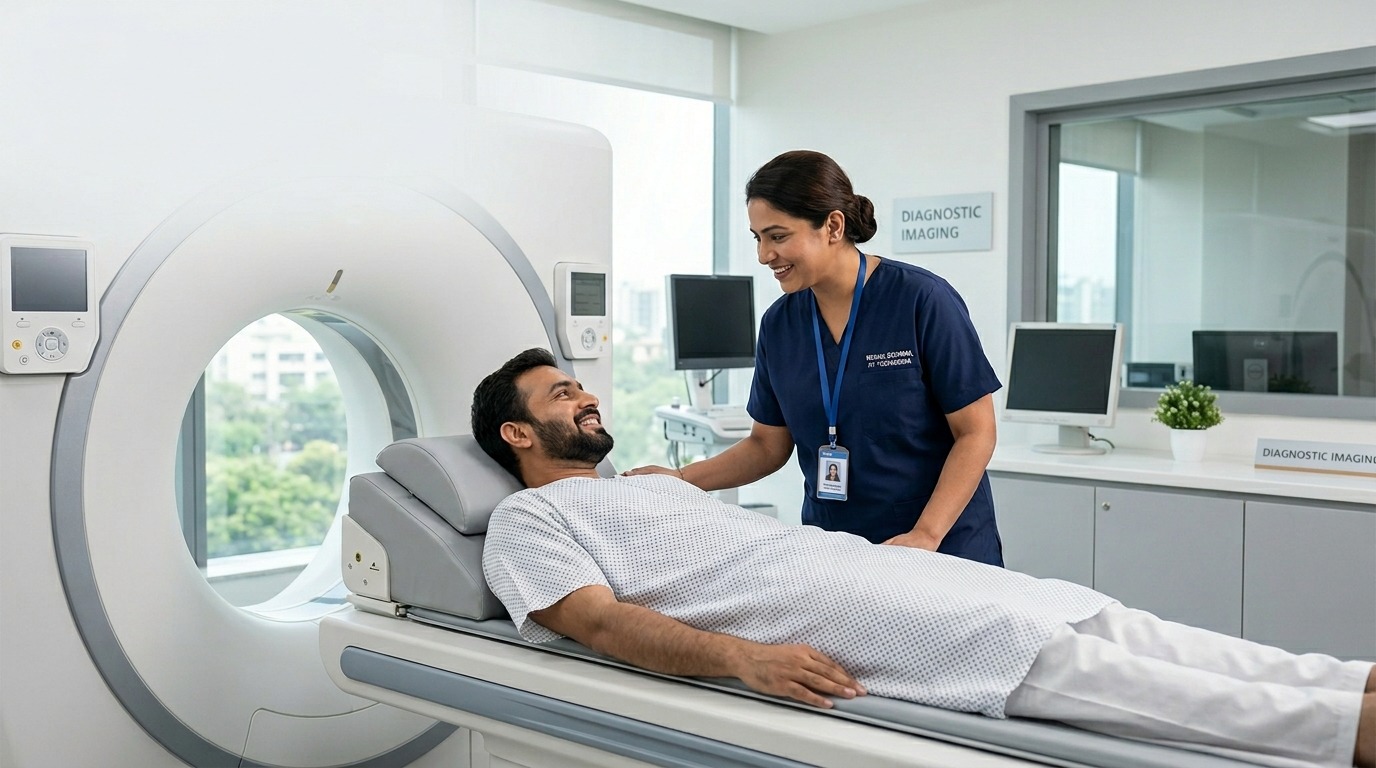
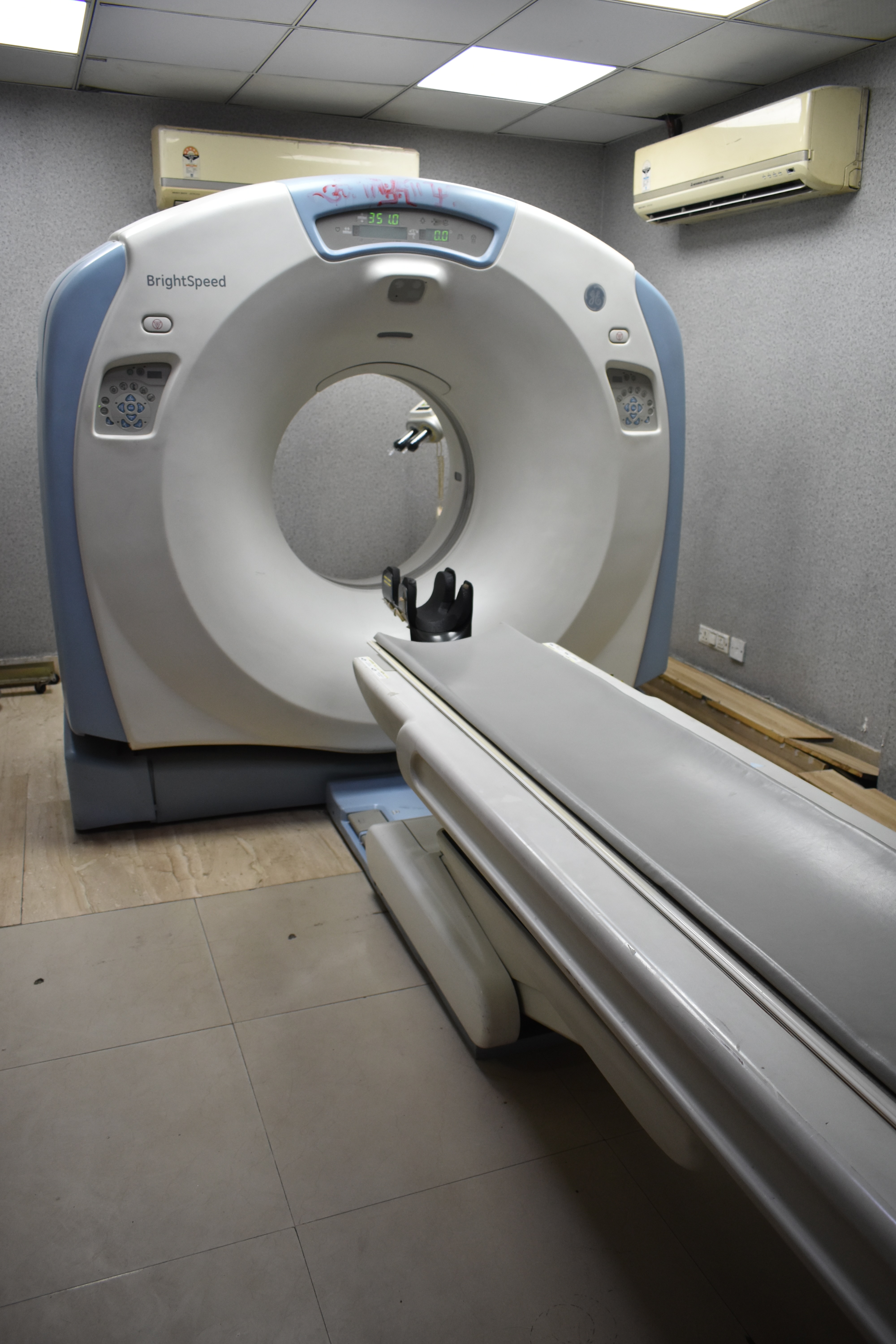
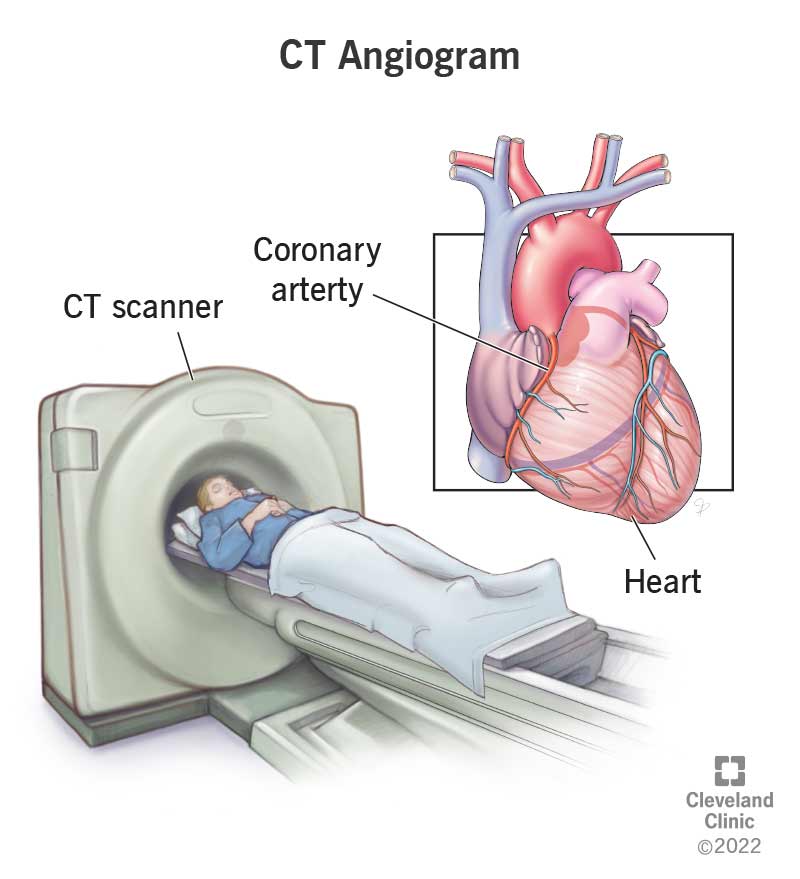
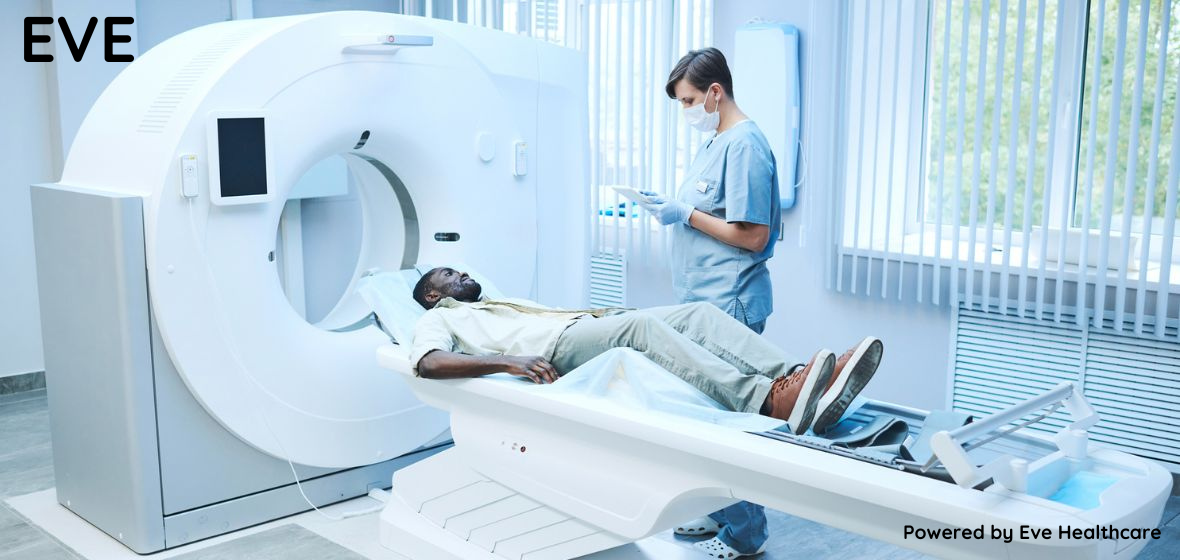
The patient lies on a motorised table that slides into the CT scanner. Multiple X-ray images are taken from different angles around the body. These images are then processed by computer software to generate a detailed 3D reconstruction of the targeted area. The entire scanning process typically takes about 15 minutes.
Understanding the Results
The 3D reconstructed images provide a more comprehensive view of anatomical structures compared to traditional 2D scans. This helps clinicians identify abnormalities, fractures, tumours, or vascular issues with greater accuracy. However, interpretation of these images should always be done by a qualified radiologist or physician to ensure accurate diagnosis and treatment planning.
Cost, Duration and Report Turnaround Time
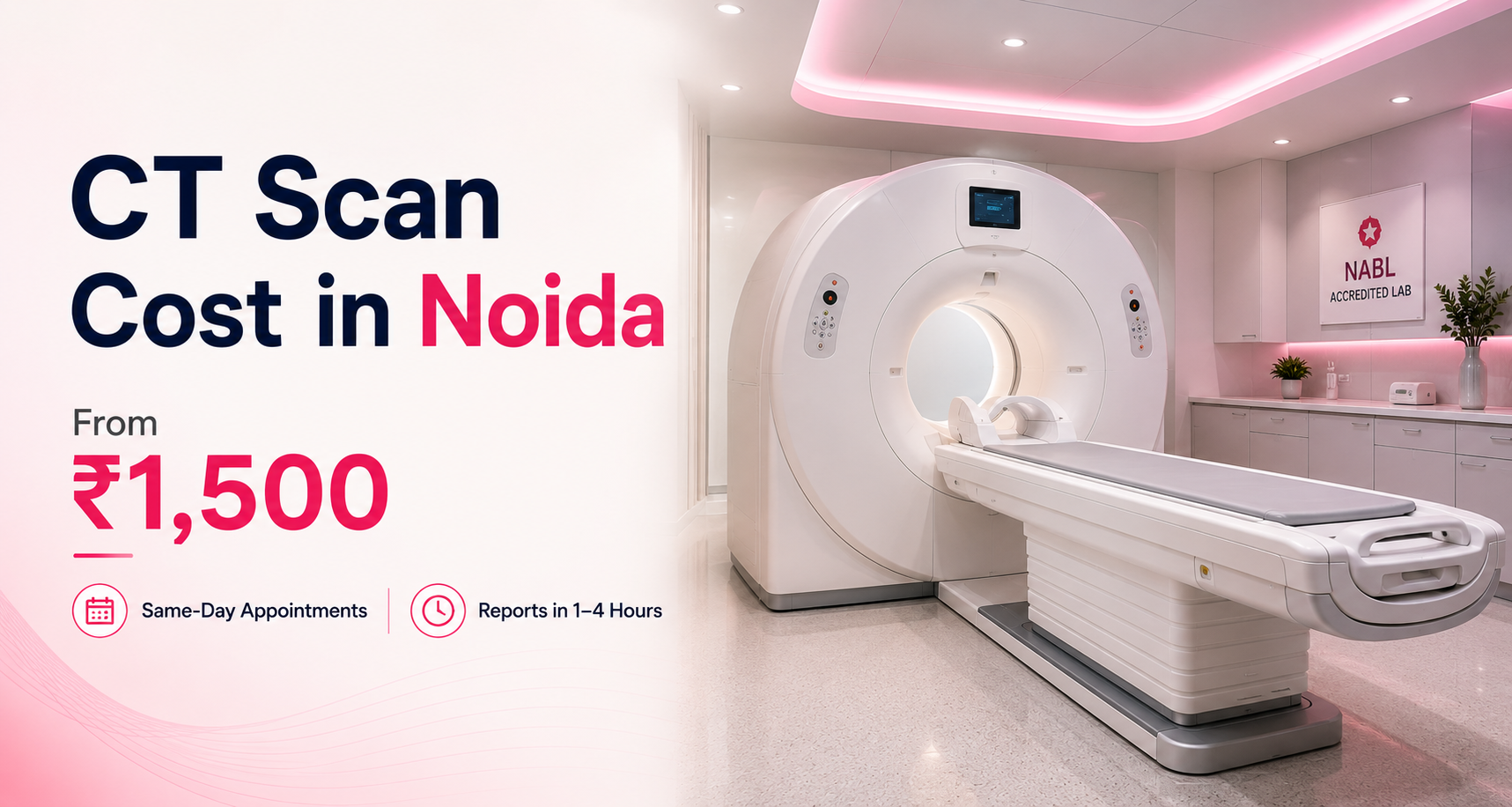
- Cost: Rs. 1500/-
- Scan Duration: Approximately 15 minutes
- Report Delivery: Within 1 day and 8 hours
Important Notes
While the CT scan with 3D reconstruction provides valuable diagnostic information, the results should be interpreted by a healthcare professional who can correlate the findings with clinical symptoms and other investigations.