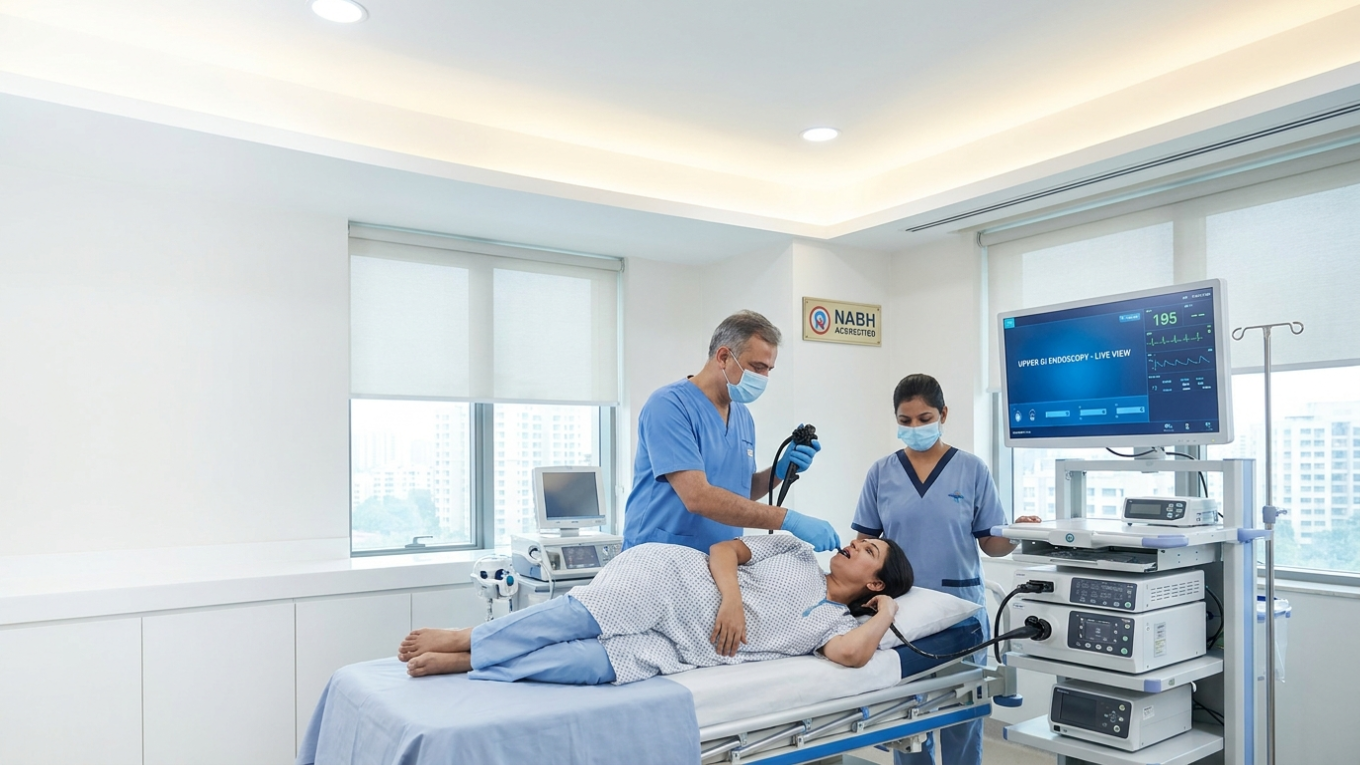
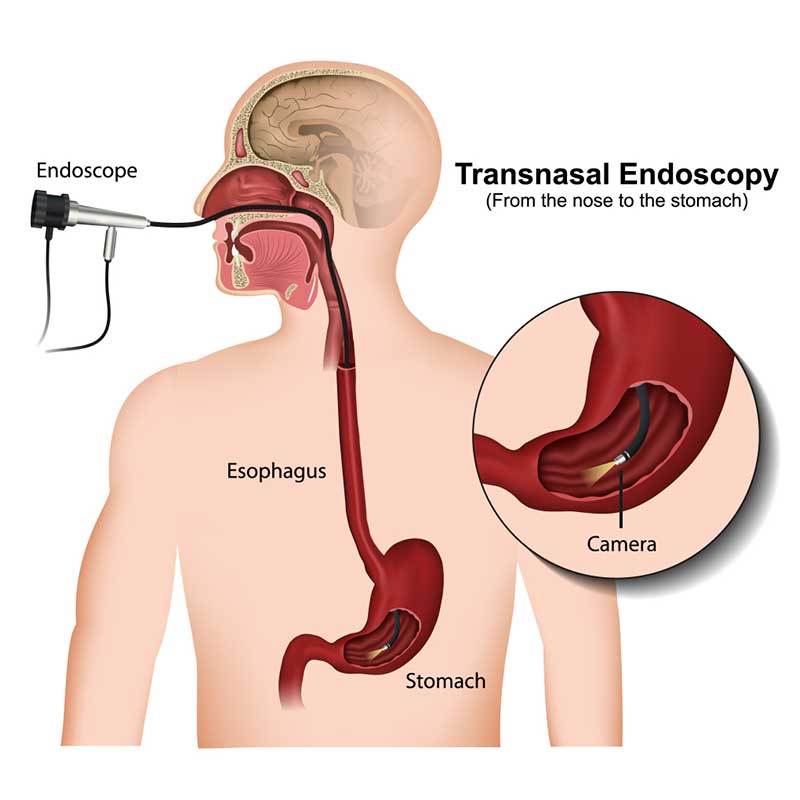
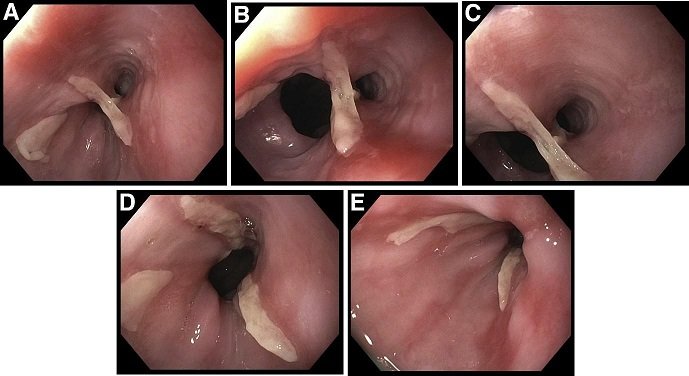
Endoscopy is a minimally invasive medical procedure that allows doctors to examine internal organs or tissues without the need for major surgery. An endoscope is a long, thin, flexible tube equipped with a camera and a light source. The camera captures images and transmits them to a monitor, enabling the physician to observe areas of interest in real time.
Why is Endoscopy Done?
Endoscopy is primarily used for diagnosis and sometimes for treatment of conditions affecting the digestive system or other organs. Common reasons for an endoscopy include:
• Diagnosis of digestive issues: If you have persistent symptoms such as stomach pain, heartburn, nausea, vomiting, or difficulty swallowing, an endoscopy can help identify conditions like ulcers, gastritis, acid reflux (GERD), tumors, or polyps.
• Screening for cancer: It’s often used for early detection of cancers in the esophagus, stomach, and colon.
• Investigating internal bleeding: If there’s blood in your stool or vomit, an endoscopy helps locate the source of the bleeding.
• Taking biopsies: During the procedure, tissue samples can be collected for further lab analysis to diagnose infections, inflammation, or cancer.
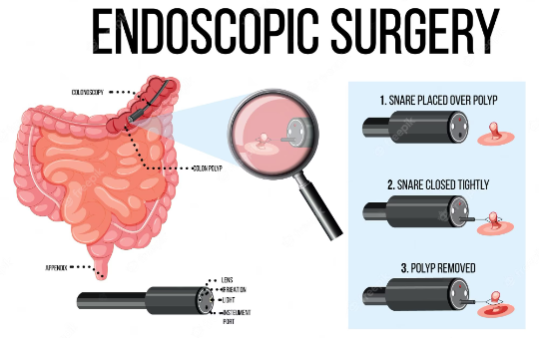
• Removal of foreign objects or polyps: In some cases, small tools can be passed through the endoscope to treat conditions or remove obstructions like polyps or tumors.
How is Endoscopy Performed?
• Preparation: You may be asked to avoid food or drink for several hours before the procedure. Specific instructions are provided based on whether it is an upper (mouth) or lower (rectum) endoscopy.
• Sedation: You are typically given a sedative to make you relaxed or sleepy during the procedure. It can be performed under local anesthesia or, in some cases, general anesthesia.
• Insertion: The doctor gently inserts the endoscope into the appropriate opening based on the type of endoscopy:
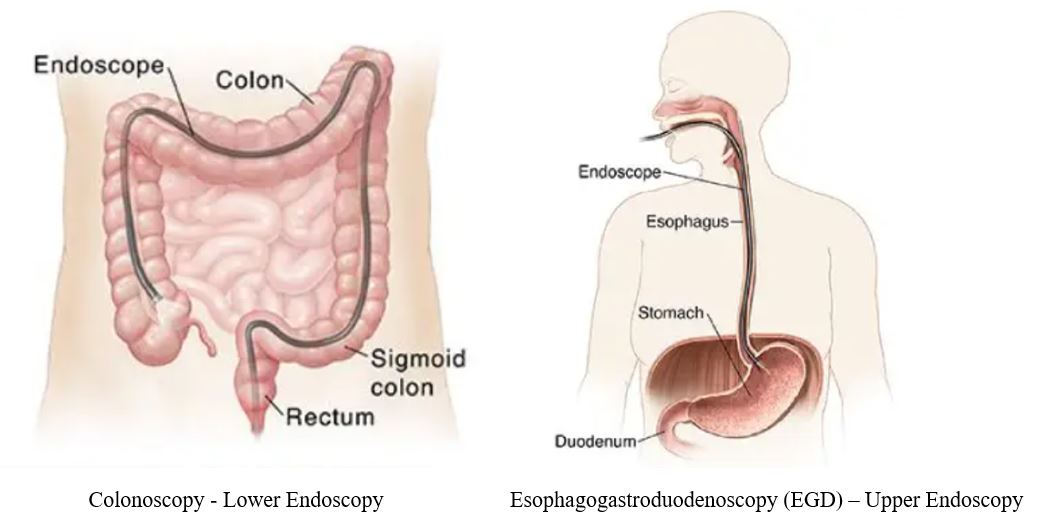
• Upper GI endoscopy (gastroscopy): Through the mouth, to view the esophagus, stomach, and upper part of the small intestine.
• Lower GI endoscopy (colonoscopy/sigmoidoscopy): Through the rectum, to examine the colon and rectum.
• Bronchoscopy: Through the nose or mouth to view the lungs and airways.
• Observation and biopsy: The doctor observes the images displayed on the monitor, inspecting the areas of concern, and may take biopsies or remove polyps if necessary.
When is Endoscopy Recommended?
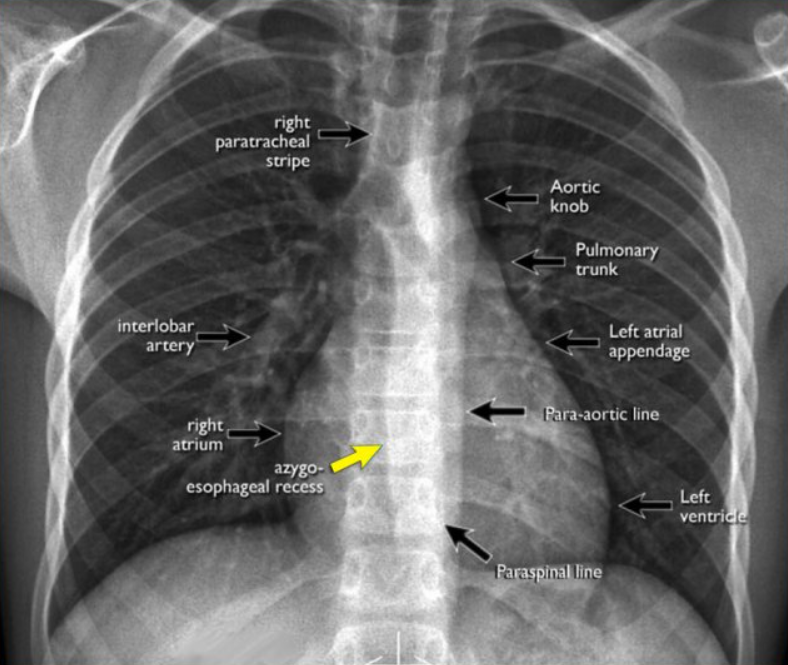
• When non-invasive tests, like X-rays or blood tests, are inconclusive.
• For regular cancer screenings, particularly for high-risk individuals.
• If symptoms like unexplained weight loss, abdominal pain, or gastrointestinal bleeding persist.
• Post-surgery or treatment to monitor recovery or ensure there are no complications.
Where is Endoscopy Performed?
Endoscopies are typically done in hospitals, specialized diagnostic centers, or outpatient clinics. The procedure is conducted in sterile environments equipped with advanced imaging technology.
Endoscopy Charges
The average cost of an endoscopy in south delhi region is ₹4500. The price can vary based on the type of endoscopy, the facility, and additional services like biopsy or anesthesia.
Endoscopy is a safe, low-risk procedure, and most patients are able to go home the same day, typically resuming normal activities within 24 hours. While some discomfort may be experienced, especially after the sedative wears off, complications are rare.
.png)
.png)